
UDV Núcleo Solhinha
Researched by The Retreat Safety Project, a 501(c)(3) nonprofit, combining field research with compliance-grade due diligence. Meet the team →
Atmosphere
Features
Atmosphere and feature ratings above are based on Best Retreats research (November 2026). They will be updated if UDV Núcleo Solhinha submits its own information.
UDV Núcleo Solhinha: An In-Depth Review of a União do Vegetal Congregation in Barra do Garças, Mato Grosso, Brazil
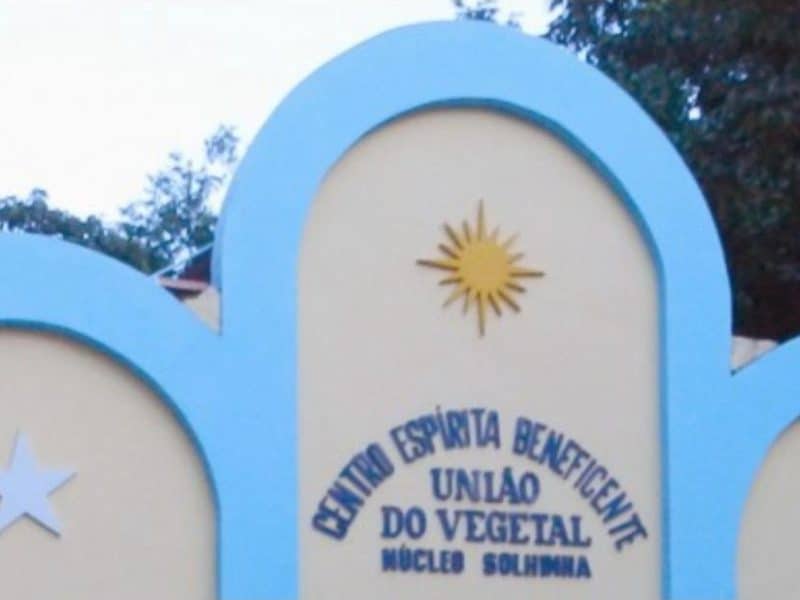
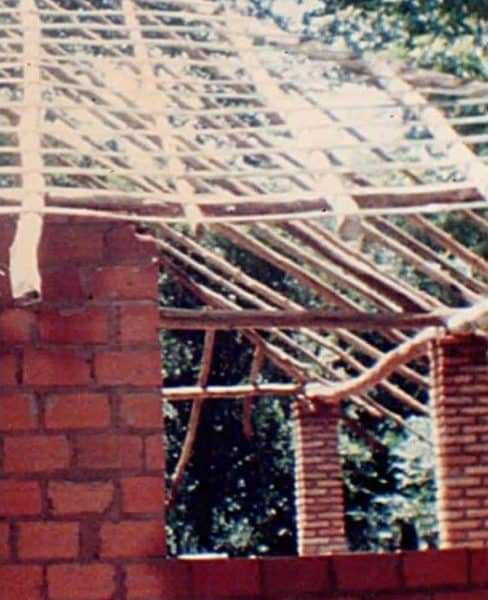
UDV Núcleo Solhinha is a congregation of the União do Vegetal, the Brazilian church whose members drink hoasca (ayahuasca) in religious sessions, which grew from a session in a Barra do Garças hotel room in 1984 into an authorized tea distribution of Núcleo Rei Inca on September 25, 1993 and a full núcleo on October 12, 2003, led by volunteer mestres in the church’s 13th Region, per its 25th anniversary history on the church’s website. The church publishes a dated history and a 45 photo gallery naming its mestres, members built the temple themselves and have grown their own mariri and chacrona since 1992, no fees are published, and no incidents are on record. Against that, no medical screening, contraindications, minimum age, medical staff or emergency plan are published, children appear in núcleo activities, newcomers reach it only through the church, the church names no current leader, and no church post about the núcleo is dated after 2018.
🎯 At a Glance
- Locations: Barra do Garças, Mato Grosso, Brazil, in the church’s 13th Region, per its October anniversary list. The church places it on the banks of the Araguaia River; no district or address is published.
- Approach: União do Vegetal religious sessions with hoasca, plus tea preparation sessions, festive sessions, a choir, a youth group and June festivals, per its photo gallery. No session schedule is published.
- Suitable For: Members of the União do Vegetal and guests they invite who accept a religious commitment, can follow sessions in Portuguese and arrange their own medical clearance. Not suitable for people taking antidepressants or with heart or psychiatric conditions.
- Costs: None published. The church does not sell the tea, and Brazilian rules bar its commercialization. No lodging, meals or transfers are offered.
- Overall Assessment: A long-established congregation with a dated history since 1984, mestres named by the church and no incidents on record, offset by no published screening, medical support or emergency plan, members-only entry, the presence of children and no church post about it since 2018. Directory evaluation: C+.
💬 What Guests Are Saying
No reviews were found on Tripadvisor, Retreat Guru, AyaAdvisors, BookRetreats, Trustpilot or other retreat platforms. The only first-hand accounts are six reader comments on the church’s 2018 history, posted from October 2018 to May 2019: congratulations, memories of helping found the núcleo and attending the first distributions, and one reader hoping to visit someday (unverified). On Google Maps, a listing named Núcleo Solhinha BG, placed in the Sena Marques sector of Barra do Garças, holds a single five-star review from about December 2025 that calls the atmosphere welcoming (unverified). No reviews of 3 stars or lower were found. If you have attended, we encourage you to share your experience through our submission form.
🚩 Incident Report
We searched review platforms and English and Portuguese-language news for reports involving Núcleo Solhinha, the União do Vegetal in Barra do Garças and the mestres the church names as its leaders.
- Deaths and serious injuries: None found.
- Sexual misconduct: No allegations found.
- Theft and fraud: None found.
- Legal action: None found naming the núcleo or its leaders, including zoning, land or environmental disputes over its plantation.
The núcleo is a private congregation with little press coverage and almost no public reviews, so this absence offers limited assurance.
If you have experienced or witnessed an incident with this center, please report it confidentially.
🔍 Critical Notes
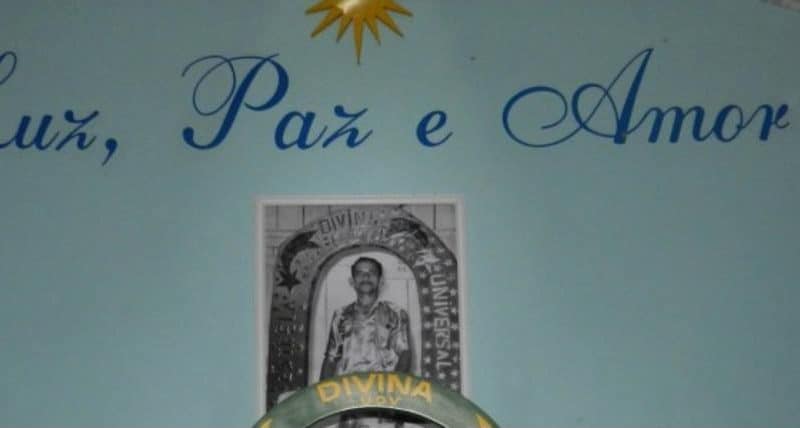
Who runs it. The União do Vegetal was created on July 22, 1961 by José Gabriel da Costa (Mestre Gabriel), per the church’s own site; church-wide findings are in our União do Vegetal listing. The church names a line of mestres who led the work in Barra do Garças: Mestre Godofredo, responsible for the distribution from 1993; Mestre José Luiz de Oliveira, responsible from January 1994 and later the church’s Mestre Geral Representante; and Mestre Júlio (Júlio César Sales Lima), who became the third mestre responsible in 1995 and the first Representante of the pré-núcleo. A gallery photo labels Mestre Fábio José as Mestre Representante in a group of the núcleo’s mestres, uploaded in 2018 and undated. Minutes of a June 2011 Mato Grosso Legislative Assembly session honoring the church list a Mestre Representante of Núcleo Solhinha since 2009 (unverified). The church names no current leader. Brazil’s tax registry lists Centro Espírita Beneficente União do Vegetal Núcleo Solhinha in Barra do Garças as active, opened in May 2000, per a Serasa Experian lookup.
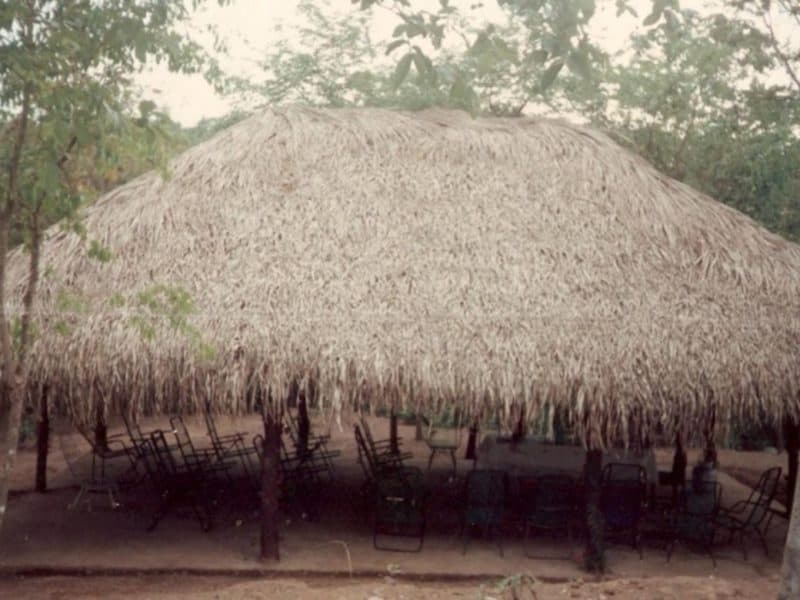
History. The 2018 history, written by members of the núcleo’s counsel and instructive bodies, tells the story from the church’s side (unverified). A counselor of Núcleo Rei Inca directed the town’s first session on July 11, 1984 in a hotel room, under authorization from Mestre Geral Representante Raimundo Monteiro de Souza. Mestre Júlio then traveled monthly to Rei Inca for about two years. In 1991 members brought Mestre Godofredo to town and the church authorized sessions as a distribution of Rei Inca, held under a straw shelter by the Garças River, where, the post says, a tapir sometimes appeared as the work began. Members from Ji-Paraná, Rondônia, arrived the same year, and sessions moved to the Casa dos Italianos and then to a mestre’s house. In the second half of 1992 the founders donated the land; members reforested it, planted the first mariri and chacrona and built a simple straw shelter. The first tea preparation in the town took place in January 1994, and a small wooden building nicknamed the Casa do Urtigão served as nursery, dormitory and storage. Work on the present temple began in 1998 with community work parties. The group became a pré-núcleo on March 7, 2000, chose the name Solhinha by member vote over Estrela do Vale, Amor Divino and Fonte Divina, and became a núcleo on October 12, 2003, taking charge of the distribution in Água Boa, Mato Grosso. The church’s anniversary lists date it October 12, 1993, mixing the two dates.
Lineage. The gallery says Mestre Marco Aurélio, then Mestre Representante of Núcleo Rei Inca, authorized monthly sessions in Barra do Garças, and Rei Inca’s own 2024 history lists Barra do Garças among its offshoots; see our UDV Núcleo Rei Inca listing. The church’s 2017 history of Núcleo Breuzim in Cuiabá lists Solhinha among the Mato Grosso núcleos and says it split from Rei Inca in 2003.
Screening and medical support. No medical questionnaire, contraindications for SSRIs, MAOIs, heart or psychiatric conditions, minimum age, medical staff or emergency plan are published. The church says it does not give the tea to people without a suitable emotional state, per Wikipedia, but no screening procedure is public. Across the church, newcomers usually attend a welcome session for novices after an invitation from a member and a visit with a counselor or mestre, per a 2010 doctoral thesis on the church. When a reader asked on the 2018 history for the núcleo’s address and leader, the church replied that the secretariat of the reader’s own núcleo had that information. No plan for reaching a hospital is published.
Minors. The gallery shows children’s activities, a children’s workshop during spiritual guidance, a youth group and a mestre with the núcleo’s children; it does not say whether minors drink the tea there. The church’s adolescence page publishes no minimum age and describes teenagers who take part with their families.
Status. Probably active (unverified). The tax registry lists the entity as active, and Rei Inca’s May 2024 history names Barra do Garças among its offshoots. The latest dated church records specific to Solhinha are a gallery photo of February 10, 2018, the history of October 12, 2018 and a reader comment of May 2019. No closure, move or rebrand has been reported. Its earlier names were the Distribuição Autorizada de Vegetal de Barra do Garças and the Pré-Núcleo Solhinha.
Legal context. Religious use of ayahuasca is legal in Brazil; CONAD Resolution No. 1 of January 25, 2010 secured its use by hoasca churches and set rules for it, per Wikipedia, and the church says those rules treat commercialization, religious tourism, therapeutic use and advertising of effects as incompatible with religious use, per its legal page. The US Supreme Court ruled unanimously for the church in 2006, per Wikipedia.
🆘 Screening & Mental Health Risks
Ask the mestre who receives you which medications and conditions exclude a guest, who at the session is trained in first aid, which hospital in Barra do Garças serves the site and whether minors drink the tea, and disclose every prescription in writing before you drink. ICEERS notes that ayahuasca’s MAOI component makes it dangerous with SSRIs and other serotonergic drugs and that it is contraindicated for people prone to psychosis. Never stop a psychiatric medication to qualify for a ceremony without your prescriber’s guidance.
🧪 Brew Substance
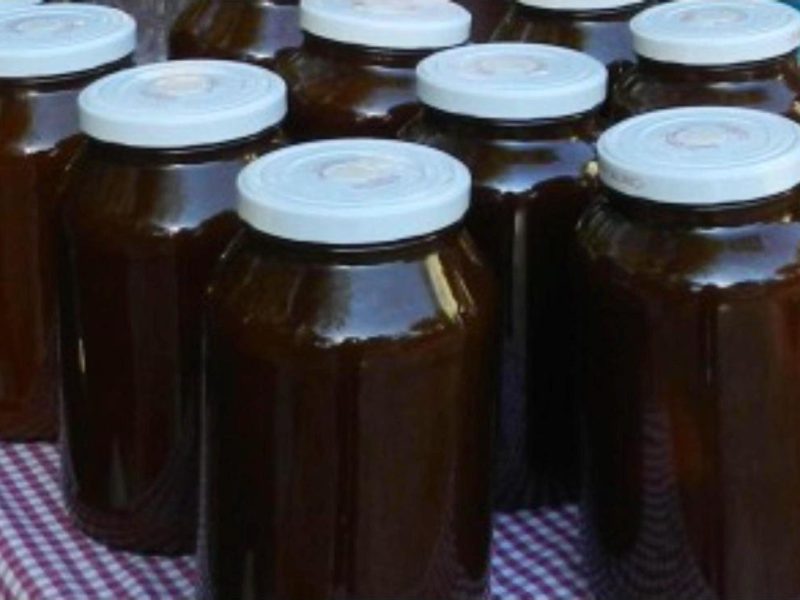
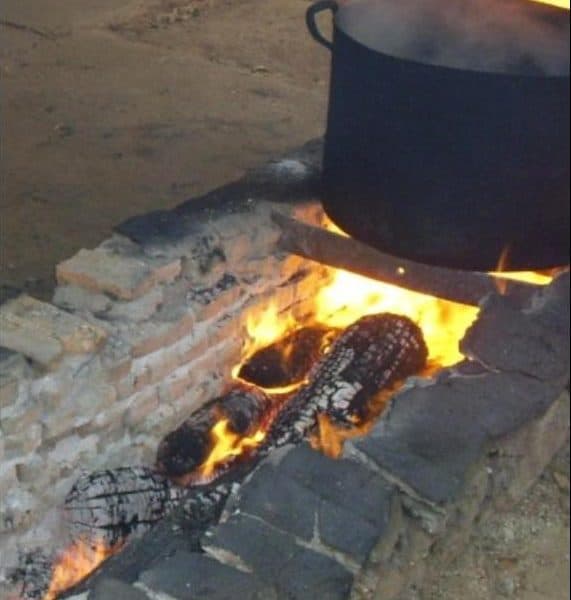
Hoasca prepared by the núcleo’s own members from mariri and chacrona planted on its land since 1992; the gallery shows mariri and chacrona harvests, tea preparation in an old furnace that was later retired for a new one, and bottling of the finished tea. Ayahuasca combines the Banisteriopsis caapi vine with a DMT-containing leaf, as Erowid explains.
📍 Location, Setting & Style
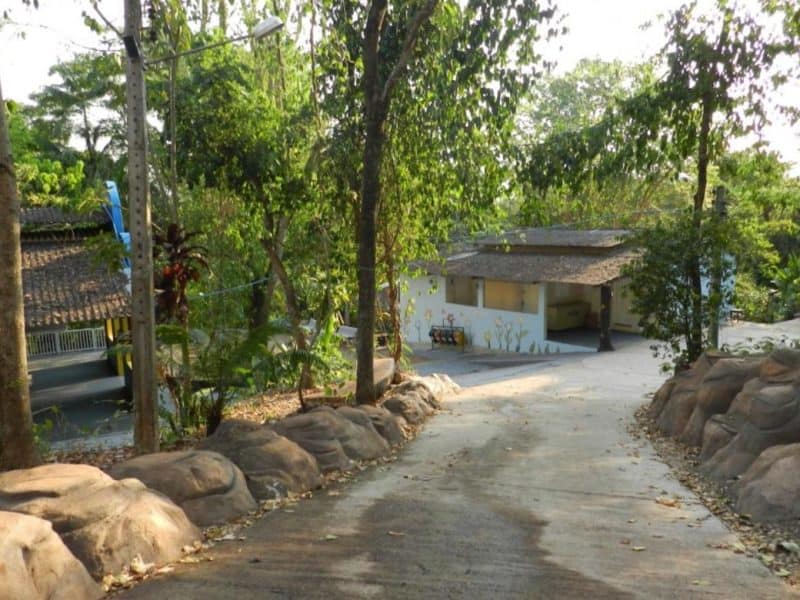
- Setting: Church land in Barra do Garças, donated in 1992 and reforested by members; the church describes the núcleo as on the banks of the Araguaia River, and members opened its access road themselves, per the gallery. The site holds the temple, begun in 1998, a kitchen rebuilt by a work party, tea furnaces and the mariri and chacrona plantation.
- Rooms: No lodging, meals or transfers; this is a local congregation, not a retreat.
- Style: A members’ church with sessions, tea preparation, work parties, a choir called Canto Amigo, a youth group called Nova Geração, June festivals and a cooperative, per the gallery.
Practical guidance: There is no booking, lodging or transfer; attendance runs through the church and a member’s invitation, and sessions are in Portuguese. If invited, ask your host for directions to the site and when the session starts and ends, and arrange your own transport and a place to stay in town.
Should You Book?
Only after the gaps are filled. This is a church, not a retreat, and entry comes through contact with its members. Ask in writing who leads the núcleo today, which medications and conditions exclude a guest, who on site is trained in first aid, how a medical emergency is handled, which hospital is nearest and whether minors drink the tea. Read our guide to verifying retreat facilitators.
The Team & Story
The núcleo presents itself as the flowering of a seed planted in the 1980s, built through shared work parties, a place where visitors feel welcomed (unverified). We did not independently verify anyone’s training.
Prep & Integration Tips
Before you go: Disclose every medication and condition in writing and plan any change with your own doctor. After you return: Arrange support from a qualified therapist at home. Our guide on how to research ayahuasca incidents can help you check any center.
Pros & Cons
| Pros | Cons |
|---|---|
| Dated history since 1984 published by the church | No published screening, contraindications or minimum age |
| No fees published; the tea is not sold | No medical staff or emergency plan published |
| Mestres named by the church; own mariri and chacrona since 1992 | Members only; no current leader named |
| No incidents on record | One public review; no church post since 2018; children take part in núcleo life |
Book Your Ceremony
Information is on its website. Best Retreats does not take bookings; learn more about our mission.
Last reviewed November 2026.
This article is for informational purposes only and is not medical advice. Consult a qualified medical professional.