
UDV Núcleo Príncipe Ancarilho
Researched by The Retreat Safety Project, a 501(c)(3) nonprofit, combining field research with compliance-grade due diligence. Meet the team →
Atmosphere
Features
Atmosphere and feature ratings above are based on Best Retreats research (November 2026). They will be updated if UDV Núcleo Príncipe Ancarilho submits its own information.
UDV Núcleo Príncipe Ancarilho: An In-Depth Review of the União do Vegetal’s Congregation in Guarapari, Espírito Santo, Brazil
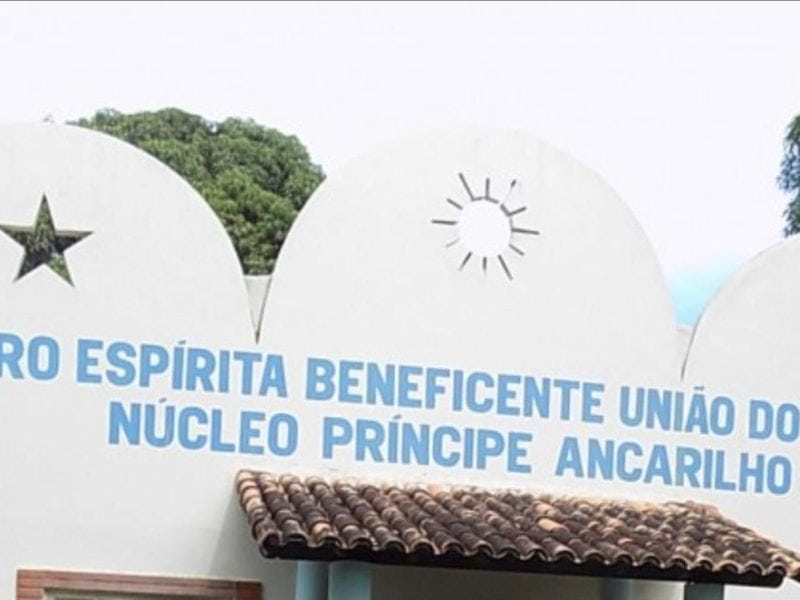
UDV Núcleo Príncipe Ancarilho is a congregation of the Centro Espírita Beneficente União do Vegetal, the Brazilian church whose members drink hoasca (ayahuasca) in religious sessions, and it dates its founding to April 21, 1984, when it opened under its first Mestre Representante, Eduard Alois Baldi Magalhães, on members’ land in Guarapari, a beach city in Espírito Santo state, per its history on the UDV blog. The church names its founding leaders, it charges no fee, and no incident or lawsuit was found. Against that, neither the núcleo nor the UDV publishes medical screening, contraindications, a minimum age or an emergency plan, the UDV names no current leader, and there are no independent reviews.
🎯 At a Glance
- Locations: Guarapari, Espírito Santo state, Brazil, on land members bought in 1983; no address or district is published.
- Approach: Members drink hoasca in UDV sessions, which the church’s US FAQ says last about four hours; the núcleo publishes no schedule, and no other medicines are used.
- Suitable For: Adults interested in joining a religious community for the long term, not visitors seeking a single ceremony. Not suitable for people taking antidepressants or with heart or psychiatric conditions.
- Costs: No fee is published. The UDV says it does not sell the tea, and Brazilian rules bar its sale and religious tourism.
- Overall Assessment: A documented congregation with named founding leaders, no fees and no incidents found, offset by no published medical screening, contraindications, age policy or emergency plan, and no current leader named. Directory evaluation: C+.
💬 What Guests Are Saying
No ratings were found on Tripadvisor, Google, AyaAdvisors, Retreat Guru or other review platforms. The only first-hand comments are warm anniversary messages from members under UDV blog posts from 2017 to 2024, which are not independent. No reviews of 3 stars or lower were found. If you have attended, we encourage you to share your experience through our submission form.
🚩 Incident Report
We searched review platforms and English and Portuguese-language news for reports involving UDV Núcleo Príncipe Ancarilho, the UDV in Guarapari and its named past leaders Eduard Alois Baldi Magalhães and Carlos Roberto Souza Costa.
- Deaths and serious injuries: None found.
- Sexual misconduct: No allegations found.
- Theft and fraud: None found.
- Legal action: No lawsuits, police action, or zoning, land or environmental disputes were found.
Nearly all coverage of this núcleo comes from the UDV itself, so this absence offers limited assurance. Church-wide press reports, including claims the UDV denies, are covered in our União do Vegetal listing.
If you have experienced or witnessed an incident with this center, please report it confidentially.
🔍 Critical Notes
Who runs it. The núcleo belongs to the UDV, founded on July 22, 1961 by José Gabriel da Costa (Mestre Gabriel), per the UDV’s about page, and each núcleo is led by a volunteer Mestre Representante elected every three years, per its organization page. Per the UDV, Mestre Eduard Alois Baldi Magalhães, who came from Núcleo Lupunamanta in Campinas, was authorized to distribute the tea in Guarapari on August 20, 1983, and became its first Mestre Representante in 1984. The post says the group was once suspended for 30 days during a change of leadership, with no year or reason given, after which Mestre Carlos Roberto Souza Costa led it for nine years. It became a full núcleo on April 21, 1994, and reports 183 members, 13 of them Mestres. No current leader is named. Registry listings show an entity with the trade name UDV Principe Ancarilho in Guarapari (CNPJ 36.032.977/0001-38), and the state Legislative Assembly’s news site reports a session honoring its 30 years in April 2014.
Screening and medical support. No medical questionnaire, contraindications for SSRIs, MAOIs, heart or psychiatric conditions, minimum age, medical staff or emergency plan are published. The church counts about 10,000 children and young people of members in its community, and its research page describes adolescents who drink the tea with their families. No procedure for first-time guests is published; when a reader asked in 2019 how to attend, the blog pointed to the UDV’s contact page. The grounds lie in a city of about 125,000, but no hospital distance is published.
Status. Likely active. The UDV’s 40th-anniversary post, published April 21, 2024 and last updated in June 2025, gives a current membership count. No closure or move has been announced.
Legal context. Brazil has recognized religious use of the tea since 1987, and a January 2010 federal resolution, CONAD Resolution 1, declared that use incompatible with commercialization, religious tourism, therapeutic use and advertising of its effects, per the UDV’s legal history page and Wikipedia.
🆘 Screening & Mental Health Risks
Ask the núcleo’s leadership in writing how a newcomer is invited, which conditions and medications exclude a participant, at what age children may drink and who handles a medical emergency during a session. ICEERS notes that ayahuasca’s MAOI component makes it dangerous with SSRIs and other serotonergic drugs and that it is contraindicated for people prone to psychosis. Never stop a psychiatric medication to qualify for a ceremony without your prescriber’s guidance.
🧪 Brew Substance
Hoasca made by the UDV; members planted mariri and chacrona from Amazonas on the grounds and held their first tea preparation there in January 1985, per the UDV. Ayahuasca combines the Banisteriopsis caapi vine with a DMT-containing leaf, as Erowid explains.
📍 Location, Setting & Style
- Setting: Guarapari, a coastal resort city about 47 km south of Vitória, on land members bought and cleared themselves.
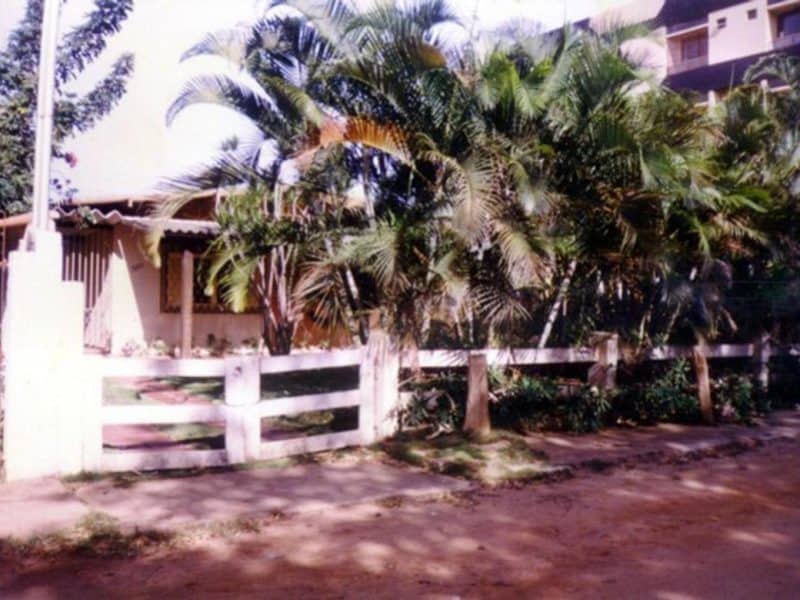
- Rooms: No lodging. The grounds hold a temple and a tea preparation house, per the UDV.
- Style: A formal religious ritual within a long-established family congregation, not a retreat.
Practical guidance: There are no retreats, transfers or guest stays, and sessions are held in Portuguese (unverified). Núcleo Divino Espírito Santo in Santa Leopoldina split from this one in 2012, so confirm which congregation invites you.
Should You Book?
Only after the gaps are filled. Ask in writing how a newcomer is invited and interviewed, who leads the núcleo today, what medical and medication rules apply, who on site is trained in first aid and what the emergency plan is. Read our guide to verifying retreat facilitators.
The Team & Story
The UDV presents Príncipe Ancarilho as a hospitable brotherhood born of a 1981 effort to bring the tea to Espírito Santo, and a UDV post credits Guarapari members with helping start the church in Belo Horizonte. We did not independently verify anyone’s training.
Prep & Integration Tips
Before you go: Disclose every medication and condition in writing and plan any change with your own doctor. After you return: Arrange support from a qualified therapist at home. Our guide on how to research ayahuasca incidents can help you check any center.
Pros & Cons
| Pros | Cons |
|---|---|
| Documented since 1983, with named founding leaders | No published screening, contraindications or medical staff |
| No fee; Brazilian rules bar sale of the tea | No published age policy in a church with many children |
| Registered entity honored by the state assembly in 2014 | No current leader named |
| No incidents found | No independent reviews; no newcomer procedure published |
Book Your Ceremony
Information is on the UDV’s website. Best Retreats does not take bookings; learn more about our mission.
Last reviewed November 2026.
This article is for informational purposes only and is not medical advice. Consult a qualified medical professional.