
UDV Núcleo Porto Seguro
Researched by The Retreat Safety Project, a 501(c)(3) nonprofit, combining field research with compliance-grade due diligence. Meet the team →
Atmosphere
Features
Atmosphere and feature ratings above are based on Best Retreats research (November 2026). They will be updated if UDV Núcleo Porto Seguro submits its own information.
UDV Núcleo Porto Seguro: An In-Depth Review of the União do Vegetal’s Congregation in Eunápolis, Bahia, Brazil
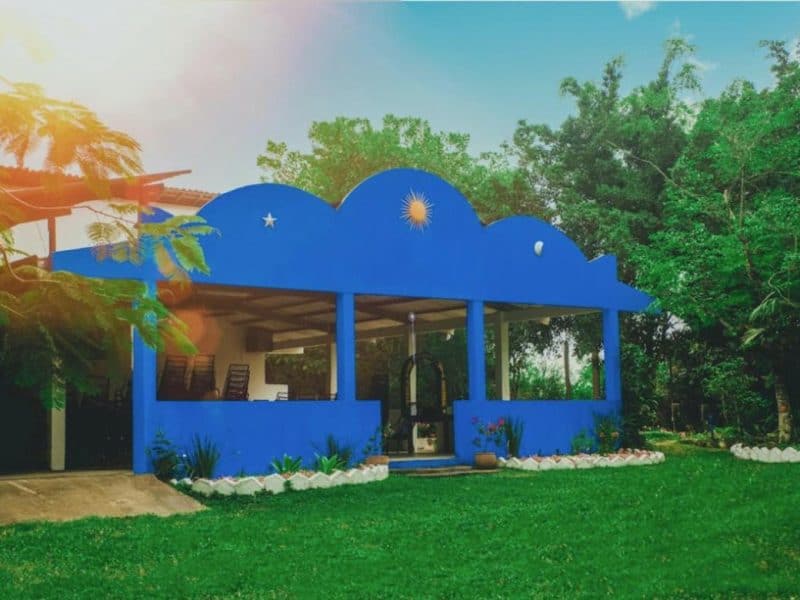
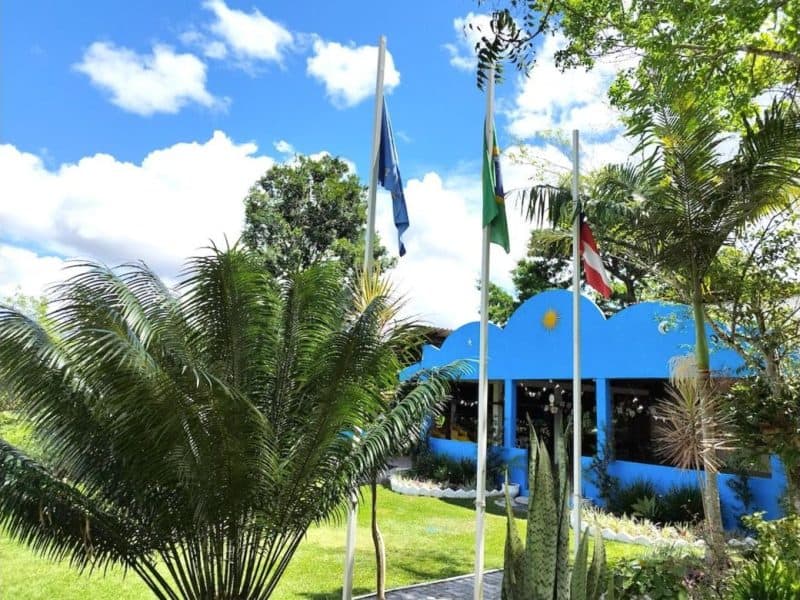
UDV Núcleo Porto Seguro is a congregation of the Centro Espírita Beneficente União do Vegetal, a Brazilian church whose members drink hoasca (ayahuasca) in religious sessions, founded by Mestre Ari (Ariorlando Melgaço Reis) and led as of November 2022 by Mestre Representante Roberto William Oliveira de Carvalho in Eunápolis, southern Bahia, where distribution of the tea began in August 2000 and a temple opened on November 15, 2002, per its 20th anniversary history on the UDV blog. The church documents its growth from sessions on a private veranda to a temple, a pre-núcleo in 2004 and a full núcleo in 2010, it is registered as a religious association, no fee is published and no incidents were found. Against that, neither the núcleo nor the UDV publishes medical screening, contraindications, a minimum age, a newcomer process or an emergency plan, the temple’s exact site is not published, and the church’s own record of the núcleo ends in November 2022.
🎯 At a Glance
- Locations: Eunápolis, Bahia, Brazil, in the UDV’s 4th Region (Bahia and Sergipe). Despite its name, it is not in the city of Porto Seguro. The UDV publishes no address; Brazil’s federal register of civil society organizations lists the entity in the Alecrim neighborhood of Eunápolis (unverified as the temple site).
- Approach: UDV religious sessions in which members drink hoasca. Early sessions in 2001 were held on the first and third Saturdays of each month; no current schedule is published, and no other medicines are used.
- Suitable For: Adults interested in joining a religious community for the long term, not visitors seeking a single ceremony. Not suitable for people taking antidepressants or with heart or psychiatric conditions.
- Costs: No fee is published, and Brazilian rules bar sale of the tea. The UDV says it has no paid positions.
- Overall Assessment: A congregation with a documented history since 2000, a named founder and current Mestre Representante and no incidents found, offset by no published medical screening, contraindications, age policy, newcomer process or emergency plan. Directory evaluation: C+.
💬 What Guests Are Saying
No ratings were found on Tripadvisor, AyaAdvisors, Retreat Guru or other retreat review platforms. Apart from Google Maps, the only first-hand notes are six reader comments posted on November 22 and 23, 2022 on the UDV’s 20th anniversary history, all positive: writers send congratulations, praise the theater, music and video presentations by young people and children at the celebration, and one recalls the early sessions on the veranda and hopes the núcleo keeps its original simplicity (unverified, posted on the church’s own blog). On Google Maps, a listing titled UDV núcleo porto seguro, pinned on the northern edge of Eunápolis, holds 4.7 stars from 3 ratings: one 4-star rating without text from about 2025 and two 5-star ratings, the newest from about early 2026 reading “Peace” (unverified). No reviews of 3 stars or lower were found. If you have attended, we encourage you to share your experience through our submission form.
🚩 Incident Report
We searched review platforms and English and Portuguese-language news for reports involving Núcleo Porto Seguro, Mestre Ari (Ariorlando Melgaço Reis), Mestre Representante Roberto William Oliveira de Carvalho and the União do Vegetal in Eunápolis.
- Deaths and serious injuries: None found.
- Sexual misconduct: No allegations found.
- Theft and fraud: None found.
- Legal action: None found, including zoning, land, permit or environmental licensing disputes.
Nearly all coverage of this núcleo comes from the UDV itself, so this absence offers limited assurance. Church-wide press reports, including claims the UDV denies, are covered in our União do Vegetal listing.
If you have experienced or witnessed an incident with this center, please report it confidentially.
🔍 Critical Notes
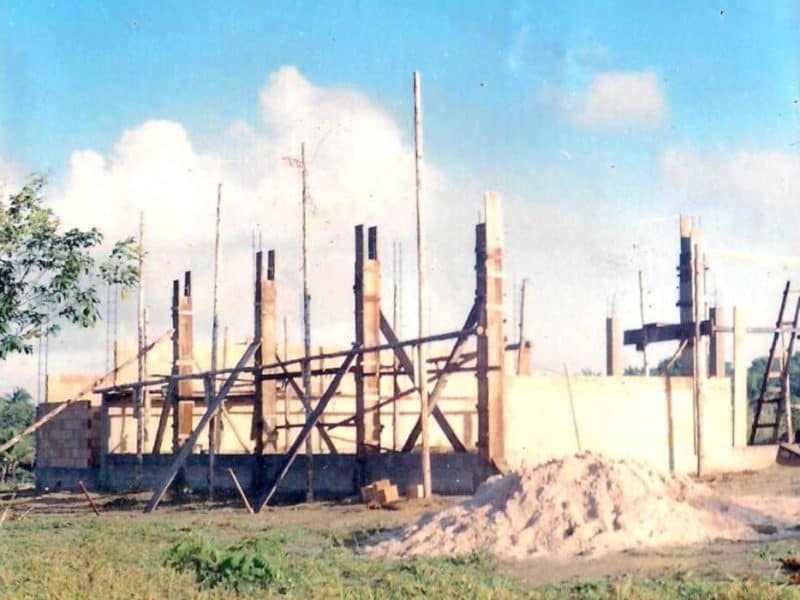
Who runs it. The núcleo belongs to the UDV, founded on July 22, 1961 by José Gabriel da Costa (Mestre Gabriel), per the UDV, which describes itself on its US site as a volunteer organization with no paid positions. Each núcleo is led by a Mestre Representante. The 20th anniversary history, written by Mestre Representante Roberto William Oliveira de Carvalho, says founding member Ariorlando Melgaço Reis (Mestre Ari) first met the UDV on March 22, 1980 in Ariquemes, Rondônia, at a distribution founded by Mestre Bartolomeu that later became Núcleo Mestre Ramos, found no UDV presence in Eunápolis in 1991 and received the rank of Mestre at Núcleo Reis Magos in Ilhéus in 1997. In July 2000 the then Mestre Geral Representante, José Luiz de Oliveira, verbally authorized him to distribute the tea in Eunápolis, and distribution began on August 26, 2000 on a farm where the first mariri vine had been planted. Sessions were held from 2001 on the veranda of a private home, on the first and third Saturdays of each month, and about one hectare of land was donated for the núcleo. In August 2002 the 4th Region’s Mestre Central, José Anchieta Torreão de Sá, led a session there, saw how many people came and decided a temple was needed; a second mestre joined that year, giving the two mestres needed to make the distribution official. The temple was finished and the authorized distribution inaugurated on November 15, 2002, the date the UDV keeps as the anniversary, and that night Mestre Ari was given responsibility for it. It became the Pré-Núcleo Porto Seguro on November 15, 2004, when he received the Mestre Representante’s shirt, and an extraordinary assembly raised it to a full núcleo on November 15, 2010. The history names no Mestres Representantes between Mestre Ari and its author. A 2020 UDV post says the church’s recruitment of volunteer health professionals for the Xingu Indigenous Park began with a mestre of this núcleo. Brazil’s federal register of civil society organizations (Mapa das OSC) lists the entity as an active private religious association with tax registration CNPJ 07.489.865/0001-02, founded in 2005.
Screening and medical support. No medical questionnaire, contraindications for SSRIs, MAOIs, heart or psychiatric conditions, minimum age, medical staff or emergency plan are published by the núcleo, and the UDV’s contact page lists only its Brasília office, with no local contact or guidance for newcomers. Brazil’s 2010 rules ask each group to interview anyone who wants to drink and to keep the tea from people with a history of mental disorders, per the published text, but the núcleo publishes no such process. The UDV’s hoasca page calls the plants and tea “proven harmless to the health” without naming studies (unverified). The church has a medical and scientific department, but no medical staff for this núcleo’s sessions is named. A reader comment describes young people and children taking part in the 2022 anniversary presentations, and the post’s cover photo is filed as a regional youth gathering, but no source says whether or at what age children drink. With no temple site published, the distance to a hospital is unconfirmed.
Status. Likely operating, though the church’s own record ends in November 2022. The UDV published the 20th anniversary history on November 22, 2022, naming its current Mestre Representante, and the post’s cover photo is filed as a 4th Region youth gathering at the núcleo in October 2022. The UDV’s photo gallery for the núcleo holds 33 uncaptioned, undated photos. An official transcript of a 2011 Bahia Legislative Assembly session honoring the UDV’s 50th anniversary lists Eunápolis among eight Bahian municipalities with UDV units, and the civil society register lists the entity as active. It was the authorized distribution in Eunápolis from 2002 and the Pré-Núcleo Porto Seguro from 2004 to 2010. No move or closure has been reported.
Legal context. CONAD Resolution 1 of 2010 recognizes ritual use of ayahuasca in Brazil as legitimate religious practice, bars selling the tea or profiting from it, tells groups to avoid tourist packages that advertise its effects and bars strictly therapeutic use until research proves it, per its published text. It leaves the participation of minors to their parents or guardians.
🆘 Screening & Mental Health Risks
Ask the Mestre Representante in writing how a newcomer is interviewed and invited, which health conditions and medications exclude someone from drinking, at what age children drink and how someone taken ill during a session would reach a hospital in Eunápolis. ICEERS notes that ayahuasca’s MAOI component makes it dangerous with SSRIs and other serotonergic drugs and that it is contraindicated for people prone to psychosis. Never stop a psychiatric medication to qualify for a ceremony without your prescriber’s guidance.
🧪 Brew Substance
Hoasca prepared under UDV practice; the first mariri vine in Eunápolis was planted before August 2000, and no source describes the núcleo’s current plantation or preparation house. Ayahuasca combines the Banisteriopsis caapi vine with a DMT-containing leaf, as Erowid explains.
📍 Location, Setting & Style
- Setting: A temple on about one hectare of donated land in the municipality of Eunápolis in southern Bahia, with the civil society register listing the Alecrim neighborhood (unverified as the temple site); hot and humid.
- Rooms: No lodging. The UDV describes only the temple completed in November 2002; no other buildings are described.
- Style: A formal religious ritual within a family congregation, not a retreat. Núcleo events include anniversary lunches, theater and music presentations and regional youth gatherings.
Practical guidance: There are no retreats, transfers or guest stays, and sessions are held in Portuguese. No contact for the núcleo is published. Despite the name, the UDV, the 2011 Bahia Assembly record and the civil society register all place it in Eunápolis, not in the city of Porto Seguro, and the UDV does not explain the name. Do not confuse it with Núcleo Reis Magos or Núcleo Encanto das Águas in Ilhéus, or with Núcleo Vitória in Vitória da Conquista.
Should You Book?
Only after the gaps are filled. Ask in writing how a newcomer is invited, who leads the núcleo today, what medical and medication rules apply, at what age children drink, who on site knows first aid and how quickly a hospital in Eunápolis can be reached. Read our guide to verifying retreat facilitators.
The Team & Story
Núcleo Porto Seguro presents itself, through a history written by its Mestre Representante, as “uma irmandade unida, alegre e acolhedora,” a united, joyful and welcoming brotherhood that grew from a veranda to a temple through volunteer work. We did not independently verify anyone’s training.
Prep & Integration Tips
Before you go: Disclose every medication and condition in writing and plan any change with your own doctor. After you return: Arrange support from a qualified therapist at home. Our guide on how to research ayahuasca incidents can help you check any center.
Pros & Cons
| Pros | Cons |
|---|---|
| Documented since 2000, with its founder and 2022 leader named | No published screening, contraindications or medical staff |
| No published fee; sale of the tea is barred | No published age policy for a family congregation |
| Legal religious use under Brazil’s 2010 rules; registered association | No emergency plan, temple site or hospital distance published |
| No incidents found | No church update since November 2022 and no published newcomer process |
Book Your Ceremony
Information is on the UDV’s website. Best Retreats does not take bookings; learn more about our mission.
Last reviewed November 2026.
This article is for informational purposes only and is not medical advice. Consult a qualified medical professional.