
UDV Núcleo Palmeiral
Researched by The Retreat Safety Project, a 501(c)(3) nonprofit, combining field research with compliance-grade due diligence. Meet the team →
Atmosphere
Features
Atmosphere and feature ratings above are based on Best Retreats research (November 2026). They will be updated if UDV Núcleo Palmeiral submits its own information.
UDV Núcleo Palmeiral: An In-Depth Review of a União do Vegetal Congregation in Guajará-Mirim, Rondônia, Brazil
UDV Núcleo Palmeiral is a congregation of the União do Vegetal, the Brazilian church whose members drink hoasca (ayahuasca) in religious sessions, in Guajará-Mirim, Rondônia, on the border with Bolivia, which began as an authorized tea distribution made official on June 3, 1989, became a núcleo on January 26, 1991 under its first Mestre Representante, Mestre Leonildo Geraldo Rigone, and was led by Mestre Ademir Melo Souza in January 2021, per its 30th anniversary history on the church’s website. The church publishes a dated history, a gallery of 19 photos and the names of the eight Mestres Representantes who led it over 30 years, publishes no fees, and no incidents are on record. Against that, no medical screening, contraindications, minimum age, medical staff or emergency plan are published for a site far from the state capital, newcomers reach it only through the church, no district, temple date or plantation is published and no church post about the núcleo is dated after January 2021.
🎯 At a Glance
- Locations: Guajará-Mirim, Rondônia, Brazil, a border town facing Bolivia, in the church’s 1st Region, per its January anniversary list. No district or address is published.
- Approach: União do Vegetal religious sessions with hoasca, tea preparation in the núcleo’s Casa de Preparo, hymn singing on the church’s July 22 anniversary and flag raising ceremonies, per its photo gallery. No session schedule is published.
- Suitable For: Members of the União do Vegetal and guests they invite who accept a religious commitment, can follow sessions in Portuguese and arrange their own medical clearance. Not suitable for people taking antidepressants or with heart or psychiatric conditions.
- Costs: None published. The church says Brazilian rules treat selling the tea as incompatible with religious use. No lodging, meals or transfers are offered.
- Overall Assessment: A congregation active since 1989 with a dated history, Mestres Representantes named by the church and no incidents on record, offset by no published screening, medical support or emergency plan, members-only entry, a remote location and no church update since January 2021. Directory evaluation: C+.
💬 What Guests Are Saying
No listings or reviews were found on Tripadvisor, Retreat Guru, AyaAdvisors, BookRetreats, Trustpilot or other retreat platforms, and no núcleo website or social media page was found. First-hand accounts are limited to 13 reader comments on the church’s 2021 history, posted from January 26 to 28, 2021. They congratulate the núcleo, recall a simple place with welcoming people at the end of a long dirt road, describe a visiting group that prepared the tea there in 1999, and include a reader who first learned of the União do Vegetal there around 1997 (unverified). No Google Maps listing for the núcleo was found. No reviews of 3 stars or lower were found. If you have attended, we encourage you to share your experience through our submission form.
🚩 Incident Report
We searched review platforms and English and Portuguese-language news for reports involving Núcleo Palmeiral, the União do Vegetal in Guajará-Mirim and the mestres the church names as its leaders.
- Deaths and serious injuries: None found.
- Sexual misconduct: No allegations found.
- Theft and fraud: None found.
- Legal action: None found naming the núcleo or its leaders, including zoning, land or environmental disputes.
The núcleo is a private congregation in a small border town with little press coverage and no written public reviews, so this absence offers limited assurance.
If you have experienced or witnessed an incident with this center, please report it confidentially.
🔍 Critical Notes
Who runs it. The União do Vegetal was created on July 22, 1961 by José Gabriel da Costa (Mestre Gabriel), per the church’s own site; church-wide findings are in our União do Vegetal listing. The 2021 history names Mestre Ademir Melo Souza as the current Mestre Representante and Wanderley Azogue Soares as president, and lists the núcleo’s Mestres Representantes over 30 years in this order: Leonildo Geraldo Rigone, Juvenal Jesus Rodrigues, Francisco Herculano de Oliveira (then the region’s Mestre Central), Francisco Alves de Almeida, Carmiro Gabriel da Costa, Jair Ribeiro Pires, Manoel Marinho Soares and Ademir Melo Souza. A separate church homage to Mestre Carmiro Gabriel da Costa confirms he was Mestre Representante of Palmeiral in 1996. The núcleo had 67 members in January 2021. No Brazilian tax registration specific to the núcleo was found.
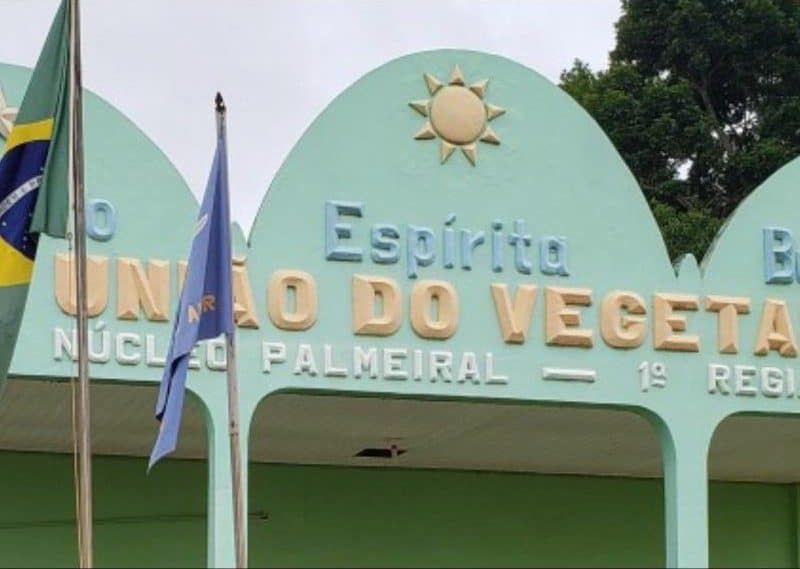
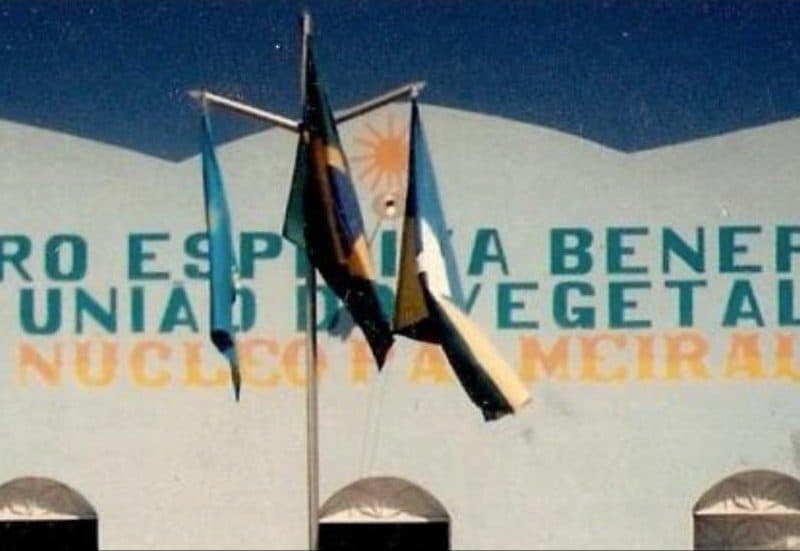
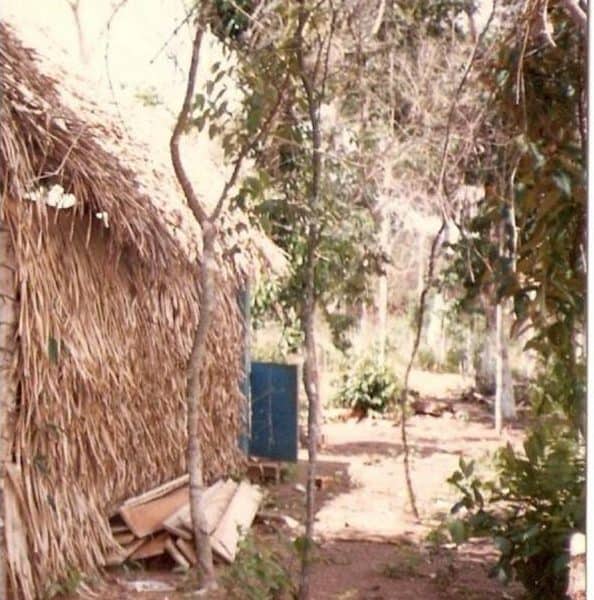
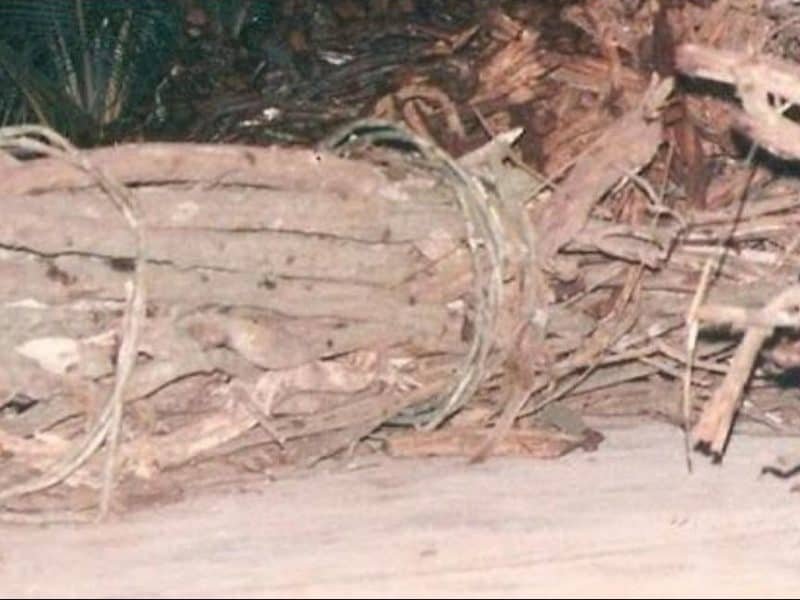
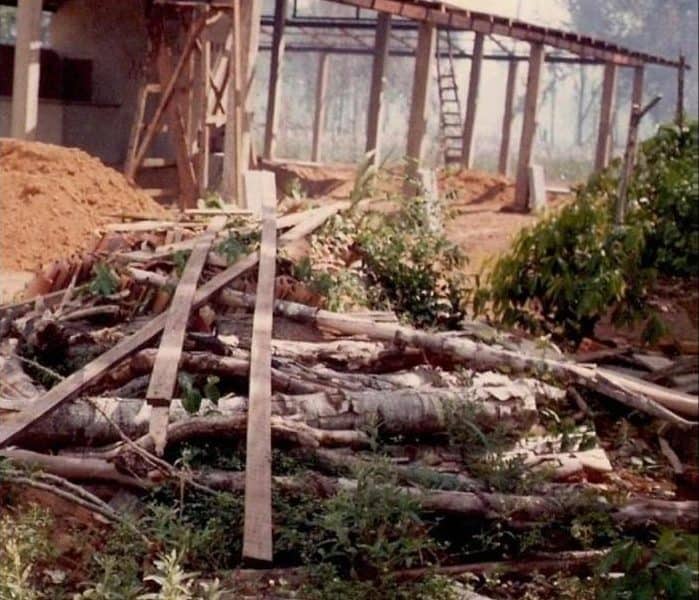
History. The 2021 history is credited to the núcleo’s brotherhood and tells the story from the church’s side (unverified). In the 1980s a member who drank the tea at Núcleo Mestre Gabriel in Porto Velho, about 336 km away by a road that was then unpaved and often impassable in the rainy season, received permission from that núcleo’s Mestre Representante, Luís Cardoso, to take a bottle of the tea to Guajará-Mirim to share. At times the trip to Porto Velho for sessions was made by plane. As more members joined, then Mestre Geral Representante Raimundo Carneiro Braga made the authorized tea distribution in Guajará-Mirim official on June 3, 1989, headed by Conselheiro Juvenal Jesus Rodrigues. The group bought land and built a covered shelter with straw walls where sessions were lit by an oil lamp, then began a Casa de Preparo for making the tea, which served as the distribution’s headquarters until it became Núcleo Palmeiral on January 26, 1991. The gallery adds undated photos of work parties clearing the land, the straw hut, the Casa de Preparo under construction, the first tea preparation on site, led by Mestre Herculano as Mestre Central with Conselheiro Juvenal assisting, the start of temple construction and the finished temple.
Screening and medical support. No medical questionnaire, contraindications for SSRIs, MAOIs, heart or psychiatric conditions, minimum age, medical staff or emergency plan are published for this núcleo or on the church’s main pages. The church does not give the tea to people without a suitable emotional state, per Wikipedia, but no screening procedure is public. Across the church, newcomers usually attend a welcome session for novices after an invitation from a member and a visit with a counselor, per a 2010 doctoral thesis on the church. The site’s location is not published and no hospital or plan for reaching one is named; Porto Velho, the state capital, is about 336 km away by road.
Minors. No caption in the núcleo’s gallery mentions children. The church’s adolescence page publishes no minimum age and describes teenagers who take part with their families.
Status. Probably active (unverified). The church’s January 26, 2021 history named a current Mestre Representante and president and counted 67 members, its gallery photos were uploaded the same month, and reader comments run to January 28, 2021. The church’s January anniversary list, last updated in March 2026, still includes the núcleo. No later church post about the núcleo was found, and no closure, move or rebrand has been reported. Before 1991 it was the authorized tea distribution (DAV) of Guajará-Mirim.
Legal context. Religious use of ayahuasca is legal in Brazil. The church says Brazilian authorities have recognized religious use of the tea since 1987, and CONAD Resolution No. 1 of January 25, 2010 secured its use by hoasca churches, per Wikipedia. The church says the 2010 rules treat commercialization, religious tourism, therapeutic use and advertising of effects as incompatible with religious use, per its legal page. The US Supreme Court ruled unanimously for the church in 2006, per Wikipedia. No enforcement action involving this núcleo was found.
🆘 Screening & Mental Health Risks
Ask the mestre who receives you which medications and conditions exclude a guest, who at the session is trained in first aid, which hospital in Guajará-Mirim serves the site and how long it takes to reach, and whether minors drink the tea, and disclose every prescription in writing before you drink. ICEERS notes that ayahuasca’s MAOI component makes it dangerous with SSRIs and other serotonergic drugs and that it is contraindicated for people prone to psychosis. Never stop a psychiatric medication to qualify for a ceremony without your prescriber’s guidance.
🧪 Brew Substance
Hoasca prepared in the núcleo’s Casa de Preparo, where the gallery shows its first tea preparation; no mariri or chacrona plantation on the grounds is published. Ayahuasca combines the Banisteriopsis caapi vine with a DMT-containing leaf, as Erowid explains.
📍 Location, Setting & Style
- Setting: Church grounds in Guajará-Mirim, a town of 39,387 people in the 2022 census that faces Guayaramerín, Bolivia, across the Mamoré River, per a city profile. Members cleared the land in communal work parties; no district is published.
- Rooms: No lodging, meals or transfers; this is a local congregation, not a retreat. The grounds hold the temple and the Casa de Preparo, both shown in the gallery.
- Style: A members’ church with sessions, tea preparation, hymn singing on the church’s anniversary and flag raising ceremonies, per the gallery.
Practical guidance: There is no booking, lodging or transfer; attendance runs through the church and a member’s invitation, and sessions are in Portuguese. Guajará-Mirim is about 336 km by road from Porto Velho. If invited, ask your host for directions to the site and when the session starts and ends, and arrange your own transport and a place to stay in town.
Should You Book?
Only after the gaps are filled. This is a church, not a retreat, and entry comes through contact with its members. Ask in writing who leads the núcleo today, which medications and conditions exclude a guest, who on site is trained in first aid, how a medical emergency is handled, which hospital is nearest and whether minors drink the tea. Read our guide to verifying retreat facilitators.
The Team & Story
The church presents Palmeiral as the work of pioneers who brought the tea to a remote border town over a road often closed by rain, and says its current Mestre Representante honors those pioneers (unverified). We did not independently verify anyone’s training.
Prep & Integration Tips
Before you go: Disclose every medication and condition in writing and plan any change with your own doctor. After you return: Arrange support from a qualified therapist at home. Our guide on how to research ayahuasca incidents can help you check any center.
Pros & Cons
| Pros | Cons |
|---|---|
| Dated history since 1989 published by the church | No published screening, contraindications or minimum age |
| No fees published; rules bar selling the tea | No medical staff, emergency plan or nearest hospital published |
| All eight Mestres Representantes named by the church | Members only; no district, temple date or plantation published |
| No incidents on record | Remote border town; no church update since January 2021 |
Book Your Ceremony
Information is on the UDV’s website. Best Retreats does not take bookings; learn more about our mission.
Last reviewed November 2026.
This article is for informational purposes only and is not medical advice. Consult a qualified medical professional.