
UDV Núcleo Campina Grande
Researched by The Retreat Safety Project, a 501(c)(3) nonprofit, combining field research with compliance-grade due diligence. Meet the team →
Atmosphere
Features
Atmosphere and feature ratings above are based on Best Retreats research (November 2026). They will be updated if UDV Núcleo Campina Grande submits its own information.
UDV Núcleo Campina Grande: An In-Depth Review of the União do Vegetal’s Congregation in Campina Grande, Paraíba, Brazil
UDV Núcleo Campina Grande is a congregation of the Centro Espírita Beneficente União do Vegetal, a Brazilian church whose members drink hoasca (ayahuasca) in religious sessions, and it was inaugurated on September 7, 1995 as the UDV’s authorized distribution in Campina Grande, Paraíba, on a small rural property near the city, with Mestre José Leite da Costa as its first leader, per its 25th anniversary history on the UDV blog. The church documents its story in detail, from a first distribution of the tea in the city in 1985 to full núcleo status in 2004 and the two congregations it later seeded in Natal and João Pessoa, no fee is published and no incidents were found. Against that, neither the núcleo nor the UDV publishes medical screening, contraindications, a minimum age or an emergency plan, no leader has been named publicly since 2017 and no dated activity since 2020, and the church publishes no district, member count or newcomer process.
🎯 At a Glance
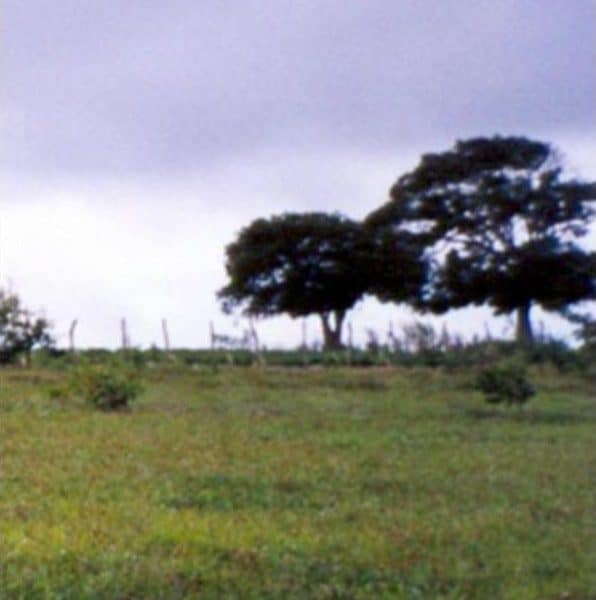
- Locations: Campina Grande, Paraíba, Brazil, on the Borborema plateau, in the UDV’s 10th Region. The UDV describes the site only as a small rural property in an open field near the city and publishes no district or address.
- Approach: UDV religious sessions in which members drink hoasca, including sessions for first-time participants held since 1994, anniversary sessions every September 7, extra sessions with visiting mestres and weddings. No session schedule is published, and no other medicines are used.
- Suitable For: Adults interested in joining a religious community for the long term, not visitors seeking a single ceremony. Not suitable for people taking antidepressants or with heart or psychiatric conditions.
- Costs: No fee is published, and Brazilian rules bar sale of the tea.
- Overall Assessment: A congregation with 31 years of documented history, named leaders through 2017 and no incidents found, offset by no published medical screening, contraindications, age policy or emergency plan, and no leader named publicly since 2017. Directory evaluation: C+.
💬 What Guests Are Saying
No ratings were found on Tripadvisor, AyaAdvisors, Retreat Guru or other retreat review platforms. On Google Maps, the núcleo’s listing, pinned just outside Campina Grande in the neighbouring municipality of Puxinanã, holds 5.0 stars from 4 ratings, all five-star; the newest is from about September 2026, and the two with text call it a place of light, peace and love (unverified). The only other first-hand notes are 12 reader comments posted from September to November 2020 on the UDV’s own 25th anniversary history, all positive: writers congratulate the núcleo, thank its first Mestre Representante and recall a welcoming community, several of them from other UDV congregations in Brazil and Portugal, and one regrets not having known the tea as a student (unverified, posted on the church’s own blog). No reviews of 3 stars or lower were found. If you have attended, we encourage you to share your experience through our submission form.
🚩 Incident Report
We searched review platforms and English and Portuguese-language news for reports involving Núcleo Campina Grande, its named Mestres Representantes and the União do Vegetal in Campina Grande.
- Deaths and serious injuries: None found.
- Sexual misconduct: No allegations found.
- Theft and fraud: None found.
- Legal action: None found, including zoning, land, permit or environmental licensing disputes.
Nearly all coverage of this núcleo comes from the UDV itself, so this absence offers limited assurance. Church-wide press reports, including claims the UDV denies, are covered in our União do Vegetal listing.
If you have experienced or witnessed an incident with this center, please report it confidentially.
🔍 Critical Notes
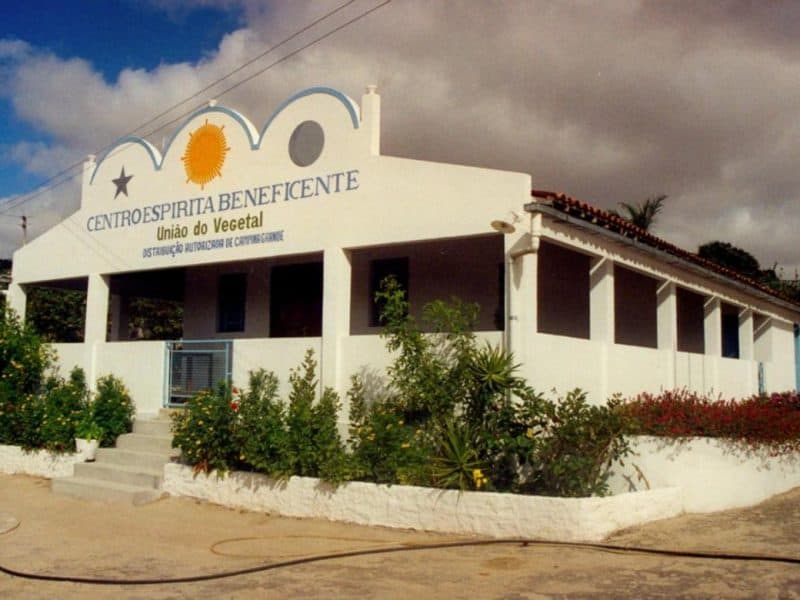
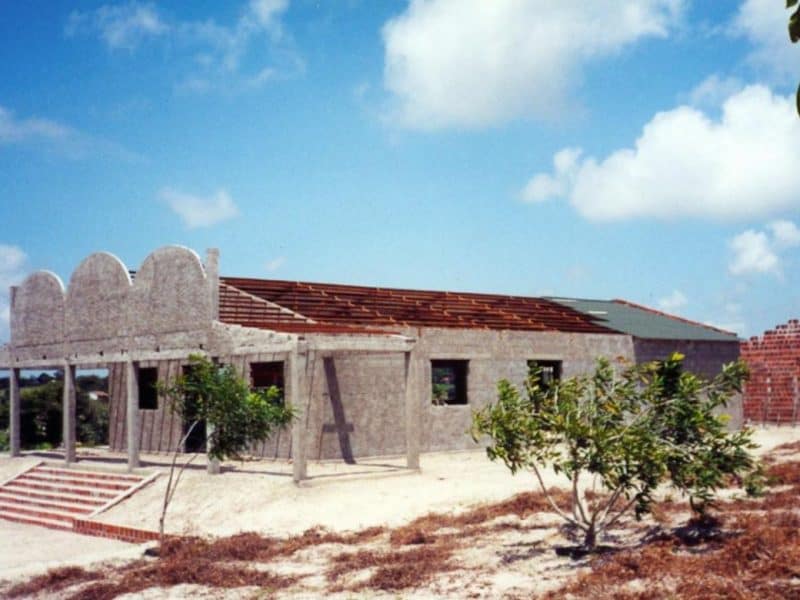
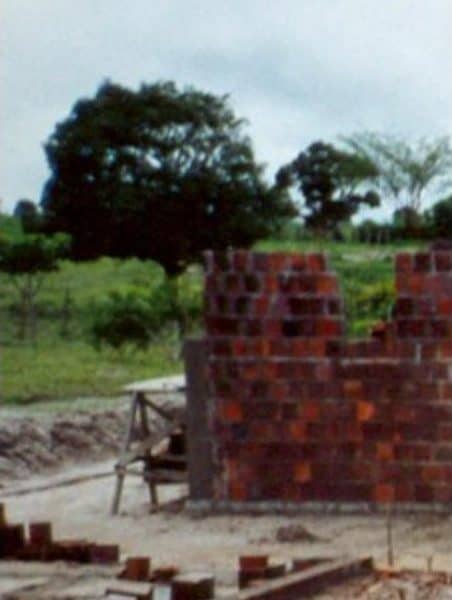
Who runs it. The núcleo belongs to the UDV, founded in 1961 by José Gabriel da Costa (Mestre Gabriel), per the UDV, and is led by a Mestre Representante, a post that rotates. The 2020 history, written by members of the núcleo’s council, quotes a prophecy it attributes to Mestre Gabriel that Campina Grande would one day have a UDV núcleo. It says Mestre Roberto Souto first distributed the tea in the city in 1985, that a session was held at a farm near the city in June 1992, and that the group acquired “a small rural property with a simple house” in an open field in November 1993. The first session there, on April 23, 1994, was led by Mestre José Leite with Mestre Ernesto, then Mestre Representante of Núcleo Pau D’Arco in Caruaru, and members of Pau D’Arco and Núcleo Cajueiro, whose help the history calls fundamental. Members built the site “brick by brick” in work parties, and Mestre Monteiro, then the UDV’s top leader, inaugurated the Distribuição Autorizada de Vegetal de Campina Grande on September 7, 1995. Mestre José Leite served as Mestre Responsável and then Mestre Representante for 11 years in all, and in 1998 was also assigned to lead UDV activities in Natal, per the UDV’s Natal history. The núcleo’s photo gallery shows a new temple under construction in 2000 with help from Pau D’Arco members, the group’s status as a pre-núcleo by December 2000 and its elevation to full núcleo on September 7, 2004, with Mestre Ernesto, then regional Mestre Central. It seeded Núcleo Natal in Rio Grande do Norte on January 1, 2002 and Núcleo Conselheiro Salomão Gabriel in João Pessoa on January 28, 2006. In June 2017 the UDV identified photographer Augusto Pessoa as the núcleo’s Mestre Representante in a blog post he wrote about a UDV photo exhibition that toured the region, including Campina Grande. No member count is published, and no business registration for this núcleo was found.
Screening and medical support. No medical questionnaire, contraindications for SSRIs, MAOIs, heart or psychiatric conditions, minimum age, medical staff or emergency plan are published by the núcleo or on the UDV’s ritual page. The 2020 history says the núcleo was built so members could bring their families, but no source says whether or at what age children drink. The gallery records a first session for newcomers, led by Mestre Roberto Souto on June 2, 1994, but no current newcomer process is published, and the UDV’s contact page offers no way to find a local congregation. The site is described only as near the city, so the distance to a hospital is unknown; Campina Grande is a regional city of about 419,000 people, per Wikipedia.
Status. Likely operating, though recent evidence is thin. The UDV listed the núcleo in its September anniversary posts in 2017 and 2018, named its Mestre Representante in June 2017 and published its 25th anniversary history on September 7, 2020, with reader comments through November 2020. No later UDV post naming it was found. The group was known as the Distribuição Autorizada de Vegetal de Campina Grande and then as a pre-núcleo before taking its current status in 2004. No move or closure has been reported.
Legal context. Brazil has recognized religious use of the tea since 1987, per the UDV, and a January 2010 federal resolution (CONAD Resolution 1 of 2010) limits it to religious use, excluding sale, religious tourism, therapeutic use and advertising.
🆘 Screening & Mental Health Risks
Ask the Mestre Representante in writing who leads the núcleo today, which health conditions and medications exclude someone from drinking, what a newcomer’s first session involves and at what age children drink. ICEERS notes that ayahuasca’s MAOI component makes it dangerous with SSRIs and other serotonergic drugs and that it is contraindicated for people prone to psychosis. Never stop a psychiatric medication to qualify for a ceremony without your prescriber’s guidance.
🧪 Brew Substance
Hoasca made by the UDV in its own preparation ritual; no source describes a preparation or a plantation of the vine and leaf at this núcleo. Ayahuasca combines the Banisteriopsis caapi vine with a DMT-containing leaf, as Erowid explains.
📍 Location, Setting & Style
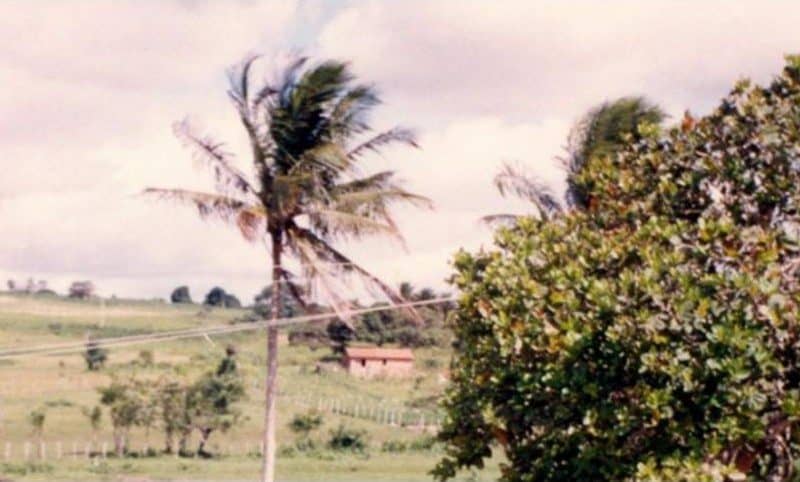
- Setting: A small rural property in an open field near Campina Grande, on the Borborema plateau at about 560 meters.
- Rooms: No lodging. Gallery photos show the facade of the first temple at the 1995 inauguration and a new temple under construction in 2000; no completion date is published.
- Style: A formal religious ritual within a family-centered congregation, not a retreat. The history recalls an early session held at dusk in the shade of a cashew tree, and the gallery shows work parties, a flag raising, weddings and frequent visits from senior mestres.
Practical guidance: There are no retreats, transfers or guest stays, and sessions are held in Portuguese. No contact for the núcleo is published; the UDV directs inquiries to its national contact page. Do not confuse it with Céu da Campina, a separate Santo Daime church in nearby Lagoa Seca.
Should You Book?
Only after the gaps are filled. Ask in writing how a newcomer is invited, who leads the núcleo today, what medical and medication rules apply, at what age children drink, who on site knows first aid and how quickly a hospital in Campina Grande can be reached. Read our guide to verifying retreat facilitators.
The Team & Story
Núcleo Campina Grande presents itself, through a history written by members of its own council, as the UDV’s first seed in Paraíba, built brick by brick with help from Núcleos Pau D’Arco and Cajueiro so that members could bring their families. We did not independently verify anyone’s training.
Prep & Integration Tips
Before you go: Disclose every medication and condition in writing and plan any change with your own doctor. After you return: Arrange support from a qualified therapist at home. Our guide on how to research ayahuasca incidents can help you check any center.
Pros & Cons
| Pros | Cons |
|---|---|
| Documented since 1995, with named leaders | No published screening, contraindications or medical staff |
| No published fee; sale of the tea is barred | No published age policy for a family congregation |
| Legal religious use in Brazil | No emergency plan, district or hospital distance published |
| No incidents found | No leader named since 2017 or dated activity since 2020; members and invited newcomers only |
Book Your Ceremony
Information is on the UDV’s website. Best Retreats does not take bookings; learn more about our mission.
Last reviewed November 2026.
This article is for informational purposes only and is not medical advice. Consult a qualified medical professional.