
UDV Núcleo Alto das Cordilheiras
Researched by The Retreat Safety Project, a 501(c)(3) nonprofit, combining field research with compliance-grade due diligence. Meet the team →
Atmosphere
Features
Atmosphere and feature ratings above are based on Best Retreats research (November 2026). They will be updated if UDV Núcleo Alto das Cordilheiras submits its own information.
UDV Núcleo Alto das Cordilheiras: An In-Depth Review of a União do Vegetal Congregation in Campinas, São Paulo, Brazil
UDV Núcleo Alto das Cordilheiras is a congregation of the União do Vegetal, the Brazilian church whose members drink hoasca (ayahuasca) in religious sessions, which split from Campinas’ first núcleo, Lupunamanta, and opened in Campinas, São Paulo state, on March 27, 1992 as an authorized tea distribution with 41 founding members, and which was led in 2020 by Mestre Representante Fernando Boin, per its 28th anniversary history on the church’s website. The church publishes a dated history, names its Mestres Representantes and presidents, says members reforested the land and planted their own mariri and chacrona after buying it in 1992, publishes no fees, and no incidents are on record. Against that, no medical screening, contraindications, minimum age, medical staff or emergency plan are published, no newcomer procedure or district is published, the church has no photo album for it, and no church post about the núcleo itself is dated after 2020.
🎯 At a Glance
- Locations: Campinas, São Paulo state, Brazil, in the church’s 3rd Region, per its March anniversary list. The church publishes no district or address; a Google Maps pin places the núcleo in the rural Joaquim Egídio district of Campinas (unverified).
- Approach: União do Vegetal religious sessions with hoasca brewed from mariri and chacrona. No session schedule is published; the church’s US branch says sessions last about four hours.
- Suitable For: Members of the União do Vegetal and people who join through the church, can follow sessions in Portuguese and arrange their own medical clearance. Not suitable for people taking antidepressants or with heart or psychiatric conditions.
- Costs: None published. The church says Brazilian rules treat selling the tea as incompatible with religious use. No lodging, meals or transfers are offered.
- Overall Assessment: A 34-year congregation with a dated church history, leaders named by the church and no incidents on record, offset by no published screening, medical support or emergency plan, no published district or newcomer procedure and no núcleo update since 2020. Directory evaluation: C+.
💬 What Guests Are Saying
No listings or reviews were found on Tripadvisor, Retreat Guru, AyaAdvisors, BookRetreats, Trustpilot or other retreat platforms, and no núcleo website or social media page was found. The only public accounts of the núcleo are the church’s own posts. On Google Maps, the núcleo’s listing, pinned in the rural Joaquim Egídio district of Campinas, holds 5.0 stars from 5 ratings, all five-star and without text, dated from about late 2025 to mid 2026 (unverified). No reviews of 3 stars or lower were found. If you have attended, we encourage you to share your experience through our submission form.
🚩 Incident Report
We searched review platforms and English and Portuguese-language news for reports involving Núcleo Alto das Cordilheiras, the União do Vegetal in Campinas and the mestres the church names as its leaders.
- Deaths and serious injuries: None found.
- Sexual misconduct: No allegations found.
- Theft and fraud: None found.
- Legal action: None found naming the núcleo or its leaders, including zoning, land or environmental disputes over its plantation.
The núcleo is a private congregation with little press coverage and few written public accounts, so this absence offers limited assurance.
If you have experienced or witnessed an incident with this center, please report it confidentially.
🔍 Critical Notes
Who runs it. The União do Vegetal was created on July 22, 1961 by José Gabriel da Costa (Mestre Gabriel), per the church’s own site; church-wide findings are in our União do Vegetal listing. The church’s 2020 history names Mestre Fernando Boin as Mestre Representante and Mestre Klaus Jürgen Wiemer as president, with 113 members: 7 mestres, 31 council members, 40 in the instructive body and 35 on the general roll. It names Mestre Fernando Boin as the first Representante of the pre-núcleo in 1993, with Mestre Sérgio Ganelie as president, and a June 2023 church profile on the same site names Mestre Spencer de Moraes Pupo Nogueira, a founding member, as Mestre Representante from 1997 to 2003. The church’s 2016 Lupunamanta history records a Mestre Fernando Ferreira Boin taking charge of Lupunamanta in 1988, likely the same person (unverified). Its current leader after 2020 is not published, and no Brazilian tax registration specific to the núcleo was found.
History. The 2020 history tells the story from the church’s side (unverified). In the early 1990s Lupunamanta needed to divide, and Mestre Fernando Boin led the group that formed the new congregation. The Authorized Distribution of Campinas opened on March 27, 1992 with 41 founding members, in a session led by Mestre Clovis Cavalieri, then the region’s Mestre Central. In May 1992 the group bought land, reforested it in work parties, planted mariri and chacrona and built the first phase of its temple; sessions were held at Lupunamanta’s old headquarters until May 1993. It became the Pré-Núcleo Alto das Cordilheiras on December 4, 1993; the date it became a full núcleo is not published. In September 2004 the brotherhood of the Sociedade Espírita Beneficente Mestre Gabriel joined the União do Vegetal and spent 11 months at the núcleo before forming what is now Núcleo Grande Ventura. The núcleo’s memory and communication room is named after a late council member. On June 9, 2018 it hosted a meeting of 90 mestres from the church’s 3rd, 5th and 9th Regions, per a church newsletter. The Lupunamanta history lists Alto das Cordilheiras among four núcleos that grew out of Lupunamanta, and a 2023 Princesa Encantada history names it among Lupunamanta’s first offshoots, with Rainha das Águas and Rei Davi.
Screening and medical support. No medical questionnaire, contraindications for SSRIs, MAOIs, heart or psychiatric conditions, minimum age, medical staff or emergency plan are published for this núcleo or on the church’s main pages about its ritual and tea. No procedure for first-time guests, interviews or membership is published either; the church’s US branch says sessions last about four hours, per its FAQ. The church counts more than 25,000 members and about 10,000 young people and children of members, per its own site; nothing is published about minors at this núcleo. The site’s location within Campinas is not published, so the distance to hospital care is unknown, and no plan for reaching it is published.
Status. Probably active (unverified). The church’s March 27, 2020 history named its leaders and counted 113 members, it hosted a regional mestres’ meeting in June 2018, and it appears in the church’s March anniversary lists from 2017 to 2019. A December 2023 church post still describes it as a núcleo in Campinas. No later church post about the núcleo itself was found, and no closure, move or rebrand has been reported. The church’s image gallery has no album for it. Its earlier names were the Authorized Distribution of Campinas and the Pré-Núcleo Alto das Cordilheiras.
Legal context. Religious use of ayahuasca is legal in Brazil. The church says Brazilian authorities have recognized it since 1987 and that a January 2010 government resolution treats commercialization, religious tourism, therapeutic use and advertising of effects as incompatible with religious use, per its legal page. The US Supreme Court ruled unanimously for the church on February 21, 2006 in Gonzales v. O Centro Espírita Beneficente União do Vegetal, per its US branch. No enforcement action involving this núcleo was found.
🆘 Screening & Mental Health Risks
Ask the mestre who receives you who leads the núcleo today, which medications and conditions exclude a guest, who at the session is trained in first aid and which hospital serves the site, and disclose every prescription in writing before you drink. ICEERS notes that ayahuasca’s MAOI component makes it dangerous with SSRIs and other serotonergic drugs and that it is contraindicated for people prone to psychosis. Never stop a psychiatric medication to qualify for a ceremony without your prescriber’s guidance.
🧪 Brew Substance
Hoasca from mariri and chacrona, which members planted on the núcleo’s land after buying it in 1992; the church says its tea is prepared at its headquarters and núcleos, where both plants are grown, per its tea page. Ayahuasca combines the Banisteriopsis caapi vine with a DMT-containing leaf, as Erowid explains.
📍 Location, Setting & Style
- Setting: A plot in the municipality of Campinas, São Paulo state, bought in May 1992 and reforested by members; the church publishes no district.
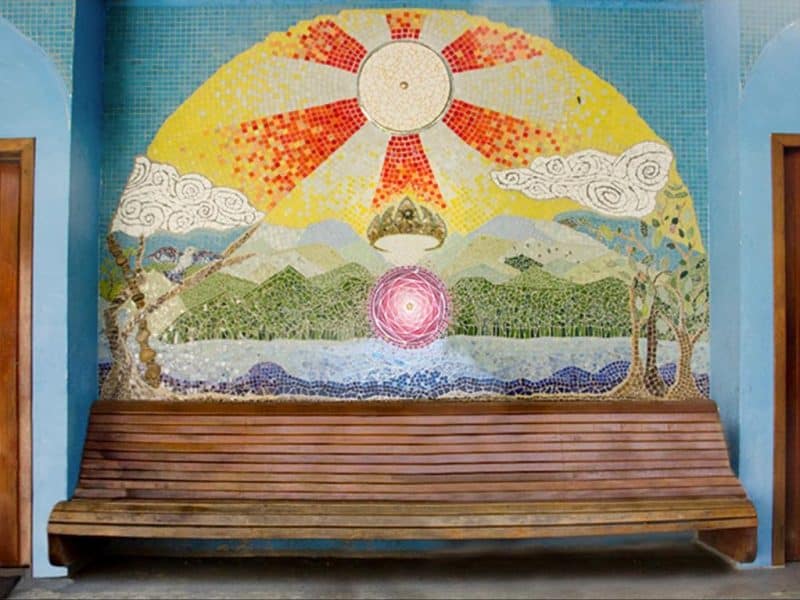
- Rooms: No lodging, meals or transfers; this is a local congregation, not a retreat. The 2020 history mentions a temple whose first phase members built after 1992 and a memory and communication room, and shows a group photo and a mural; no later building work is described.
- Style: A members’ church in the União do Vegetal’s 3rd Region with 113 members in 2020, large enough to host a regional meeting of 90 mestres in 2018.
Practical guidance: There is no booking, lodging or transfer; attendance runs through the church, and sessions are in Portuguese. If you are invited, ask your host where the temple is, when the session starts and ends, and how you will get there and home.
Should You Book?
Only after the gaps are filled. This is a church, not a retreat, and entry comes through contact with its members. Ask in writing who leads the núcleo today, which medications and conditions exclude a guest, who on site is trained in first aid, how a medical emergency is handled, which hospital is nearest and whether minors drink the tea. Read our guide to verifying retreat facilitators.
The Team & Story
The church presents Alto das Cordilheiras as a group that formed spontaneously when Lupunamanta needed to divide, and that grew through reforestation work parties and a brotherhood it later sheltered (unverified). We did not independently verify anyone’s training.
Prep & Integration Tips
Before you go: Disclose every medication and condition in writing and plan any change with your own doctor. After you return: Arrange support from a qualified therapist at home. Our guide on how to research ayahuasca incidents can help you check any center.
Pros & Cons
| Pros | Cons |
|---|---|
| Dated history since 1992 published by the church | No published screening, contraindications or minimum age |
| No fees published; rules bar selling the tea | No medical staff or emergency plan published |
| Mestres Representantes and presidents named by the church; own mariri and chacrona | Entry only through the church; no district or newcomer procedure published |
| No incidents on record | No núcleo update since 2020; no church photo album |
Book Your Ceremony
Information is on the UDV’s website. Best Retreats does not take bookings; learn more about our mission.
Last reviewed November 2026.
This article is for informational purposes only and is not medical advice. Consult a qualified medical professional.