
UDV Núcleo Agulha de Marear

Researched by The Retreat Safety Project, a 501(c)(3) nonprofit, combining field research with compliance-grade due diligence. Meet the team →
Atmosphere
Features
Atmosphere and feature ratings above are based on Best Retreats research (November 2026). They will be updated if UDV Núcleo Agulha de Marear submits its own information.
UDV Núcleo Agulha de Marear: An In-Depth Review of a União do Vegetal Congregation in Niterói and Maricá, Rio de Janeiro, Brazil
UDV Núcleo Agulha de Marear is a congregation of the União do Vegetal, the Brazilian church whose members drink hoasca (ayahuasca) in religious sessions, which began as an authorized tea distribution in Itaipu, Niterói in 1997, built its own temple on land in Inoã, Maricá from October 2000, lost that site when criminals invaded it in late 2018 and has met in a rented house in Itaipu since 2019, per the church’s 20th anniversary history. The church dates the núcleo to October 12, 2001, names the mestres who led its founding, publishes no fees, and no incidents tied to its leaders or sessions are on record. Against that, no medical screening, contraindications, minimum age, medical staff or emergency plan are published, it has had no permanent site since 2018, newcomers join only through a member’s invitation and a mestre’s interview, and the church has named no current leader and published nothing on the núcleo since October 2021.
🎯 At a Glance
- Locations: A rented house in Itaipu, a district of Niterói, Rio de Janeiro state, since 2019, after 18 years on its own land in Inoã, Maricá; the church’s October anniversary lists of 2017 and 2018 still placed it in Maricá, within the church’s 5th Region. No address is published.
- Approach: União do Vegetal religious sessions with hoasca; no session schedule is published.
- Suitable For: Members of the União do Vegetal and guests they invite who accept a religious commitment, can follow sessions in Portuguese and arrange their own medical clearance. Not suitable for people taking antidepressants or with heart or psychiatric conditions.
- Costs: None published, including member dues. No lodging, meals or transfers.
- Overall Assessment: A congregation with a dated church history since 1996, named founding leaders and no incidents attributed to it, offset by no published screening, medical support or emergency plan, members-only entry, no permanent home since a 2018 invasion and no public church record since 2021. Directory evaluation: C+.
💬 What Guests Are Saying
It has no booking listing, and no reviews were found on Tripadvisor, Retreat Guru or other retreat platforms. Reader comments on the church’s two October 2021 posts are all positive: one praises a “history of struggle and perseverance”, one says the commenter began in the núcleo and wishes it a new permanent home, and one, written on behalf of Núcleo Lumiar, says that unit split from Agulha de Marear in 2008 (all unverified). On Google Maps, a listing named Núcleo Agulha de Marear, placed in Engenho do Mato, next to Itaipu in Niterói’s oceanic region, holds 5.0 stars from 5 ratings, all five-star and without text, the newest from about October 2026. No reviews of 3 stars or lower were found. If you have attended, we encourage you to share your experience through our submission form.
🚩 Incident Report
We searched review platforms and English and Portuguese-language news for reports involving Núcleo Agulha de Marear, its named leaders José Renato de Castro Pessoa and Guilherme Oberlaender, and the União do Vegetal in Maricá and Niterói.
- Deaths and serious injuries: None found.
- Sexual misconduct: No allegations found.
- Theft and fraud: None found involving the núcleo or its leaders. The church says criminals invaded the núcleo’s Maricá facilities at the end of 2018, which led it to suspend activities there; it gives no further details, and no press report on the invasion was found.
- Legal action: None found naming the núcleo, including land, permit or environmental disputes.
The núcleo is a private congregation, and this record rests mostly on church sources, so it offers limited assurance.
If you have experienced or witnessed an incident with this center, please report it confidentially.
🔍 Critical Notes
Who runs it. The União do Vegetal was created on July 22, 1961 by José Gabriel da Costa (Mestre Gabriel), per the church’s own site; church-wide findings are in our União do Vegetal listing. Each núcleo’s Mestre Representante, its “maximum local authority”, and its local board are elected every three years and work as volunteers, per the church’s organization page. The 2021 history says the Niterói tea distribution began under Mestre Guilherme Oberlaender; Mestre Henrique Boechat, then a member of Núcleo Camalango, was later asked to take it on; and in a session held by the 5th Region’s Mestre Central, Clóvis Cavalieri, Mestre José Renato de Castro Pessoa received responsibility for it and became the first representative of the pré-núcleo in 2001. The church names no later Mestre Representante. Search results show a federal tax registration (CNPJ 04.877.534/0001-51) under the name Pré-Núcleo Agulha de Marear in Maricá; its current status is unverified.
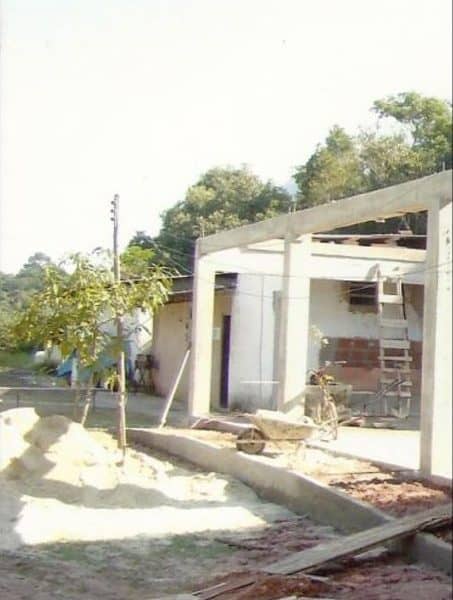
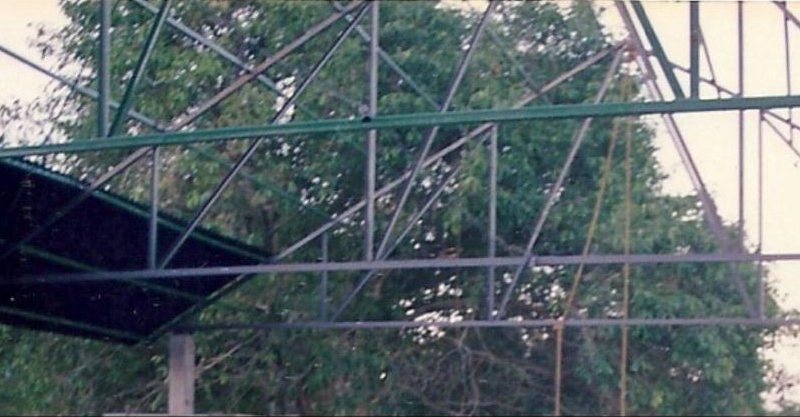
History. The church’s account, written by the núcleo’s memory and communication department (unverified): in 1996, 17 members met in a session in Niterói and decided to build the city’s first núcleo, and authorization from Mestre Geral Representante Manoel Nogueira arrived on March 27, 1997. The distribution began in the Vale Feliz area of Itaipu, joined by members of Núcleos Pupuramanta, Camalango and Janaína, and members built a temple, dining hall, kitchen and nursery, plus a wooden house in a large tree for children. For “administrative reasons” the group had to leave that site. A mestre and a church counselor found a large plot in Inoã, Maricá, which more than 20 members helped buy, and the group moved there on October 12, 2000. In 2001 Mestre Geral Representante José Luiz de Oliveira authorized the Pré-Núcleo Agulha de Marear; Mestre Carmiro Gabriel da Costa suggested the name, after the mariner’s compass needle that “traces the right course”. In Inoã the temple was built in under 20 days, followed by bathrooms and a preparation house in collective work days followed by sessions. At the end of 2018 the criminal invasion ended activities there, affecting more than 100 members, some of them founders losing facilities for a second time. In 2019 the group moved to temporary rented premises in Itaipu and, as of October 2021, planned to sell the Inoã land and buy a new site in Itaipu. The church’s 2018 Camalango history lists Agulha de Marear (1996) among Camalango’s offshoots, while the 2021 history describes members of three núcleos joining the work. The church’s anniversary lists use October 12, 2001 as the founding date; no date for full núcleo status is published.
Screening and medical support. No medical questionnaire, contraindications for SSRIs, MAOIs, heart or psychiatric conditions, minimum age, medical staff or emergency plan are published. The only gate on record is a member’s invitation and a mestre’s approval after a private interview, described in an undated press report on the church (unverified), and no published criteria say what that interview covers. No hospital plan is published.
Minors. The church’s adolescence page publishes no minimum age and describes teenagers who drink the tea with their families. The núcleo’s first site had a nursery and a children’s tree house, but the church does not say whether minors drink the tea there.
Status. Likely active, in temporary premises. The latest dated church records are two posts of October 12, 2021 marking its 20th anniversary, which say it meets in a rented house in Itaipu while searching for land; the history pointed readers to the núcleo’s own website. A July 2020 church post on a youth podcast still described the núcleo as in Maricá. No later church post was found, and no closure, permanent move or new name has been announced.
Legal context. Brazilian authorities have recognized religious use of hoasca since 1987, set up a working group on it in 2004 and adopted the group’s final report by resolution in January 2010, which rules out selling the tea, ayahuasca tourism and therapeutic use, per the church’s legal page. CONAD Resolution No. 1 of January 25, 2010 secured the tea’s use by hoasca churches and set rules for it, per Wikipedia, which lists not selling the tea among the church’s principles.
🆘 Screening & Mental Health Risks
Ask the mestre who interviews you who leads the núcleo today, where sessions are held now, which medications and conditions exclude a guest, who at the session is trained in first aid, which hospital serves Itaipu and whether minors drink the tea, and disclose every prescription in writing before you drink. ICEERS notes that ayahuasca’s MAOI component makes it dangerous with SSRIs and other serotonergic drugs and that it is contraindicated for people prone to psychosis. Never stop a psychiatric medication to qualify for a ceremony without your prescriber’s guidance.
🧪 Brew Substance
Hoasca prepared within the church; the núcleo built a preparation house on its Inoã land, but no mariri or chacrona planting and no current source of its tea since the 2018 move are published (unverified). Ayahuasca combines the Banisteriopsis caapi vine with a DMT-containing leaf, as Erowid explains.
📍 Location, Setting & Style
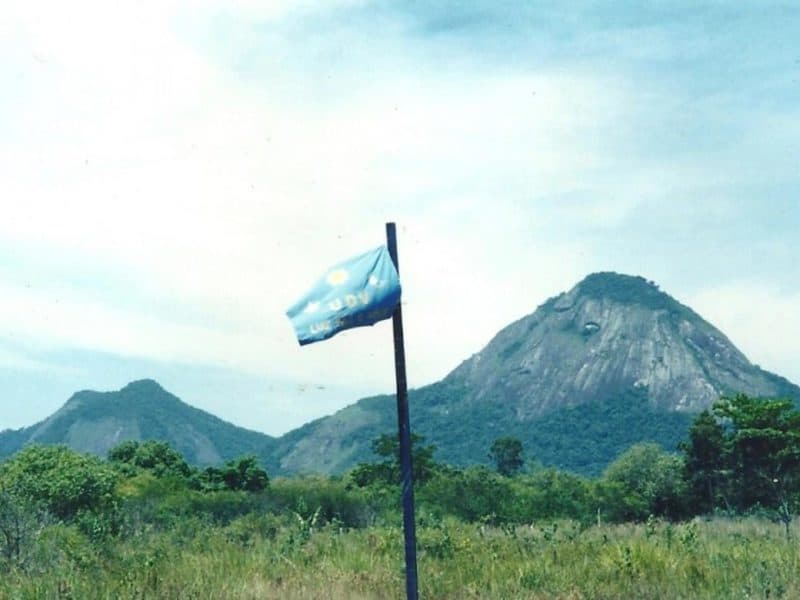
- Setting: Since 2019, a rented house in Itaipu, a district in Niterói’s Oceanic Region with a beach outside Guanabara Bay, per Wikipedia. Its former grounds in Inoã, Maricá held a temple, bathrooms and a preparation house, and the church said in 2021 that it planned to sell that land.
- Rooms: No lodging, meals or transfers; this is a local congregation, not a retreat.
- Style: A members’ church with sessions, collective work days and family life, per the church’s history. Its photo gallery holds 13 uncaptioned images posted in October 2021, and a member of the núcleo produced the music for a church youth podcast in 2020.
Practical guidance: There is no booking, lodging or transfer; attendance runs through a member’s invitation and a mestre’s interview, and sessions are in Portuguese. If invited, confirm the current meeting place, since the núcleo has moved twice, ask when the session starts and ends, arrange your own transport and a place to stay, and ask which hospital serves the area, since no plan names one.
Should You Book?
Only after the gaps are filled. This is a church, not a retreat, and entry comes through a member’s invitation and a mestre’s interview. Ask in writing who leads the núcleo today, where it meets, which medications and conditions exclude a guest, who on site is trained in first aid, how a medical emergency is handled, which hospital is nearest, whether minors drink the tea and from what age, and when sessions start and end. Read our guide to verifying retreat facilitators.
The Team & Story
The núcleo presents itself as a brotherhood that lost two homes and keeps going on Mestre Gabriel’s teaching that “difficulty exists to be overcome”, united in search of “a definitive safe harbor” (unverified). Its 2021 anniversary post marks 20 years from October 12, 2001. We did not independently verify anyone’s training.
Prep & Integration Tips
Before you go: Disclose every medication and condition in writing and plan any change with your own doctor. After you return: Arrange support from a qualified therapist at home. Our guide on how to research ayahuasca incidents can help you check any center.
Pros & Cons
| Pros | Cons |
|---|---|
| Dated church history since 1996, with founding leaders named | No published screening, contraindications or minimum age |
| No fees published; tea not sold and leaders serve as volunteers | No medical staff, hospital plan or emergency plan published |
| Meets in a district of Niterói rather than a remote area | No permanent site since its Maricá grounds were invaded in 2018 |
| No incidents tied to its leaders or sessions on record | Members only; no church record since 2021 and current leader not named |
Book Your Ceremony
Information is on its website. Best Retreats does not take bookings; learn more about our mission.
Last reviewed November 2026.
This article is for informational purposes only and is not medical advice. Consult a qualified medical professional.