
Paititi Institute
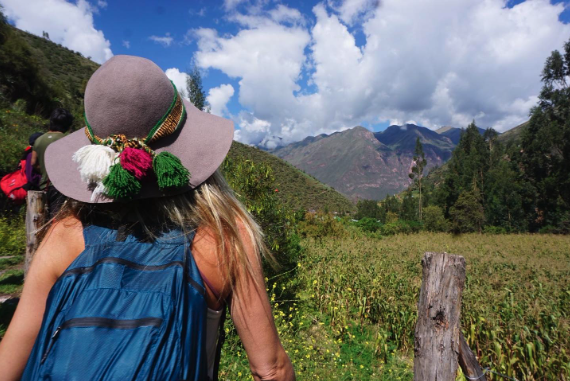
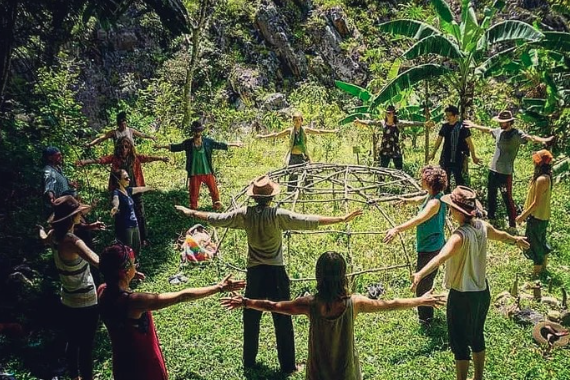
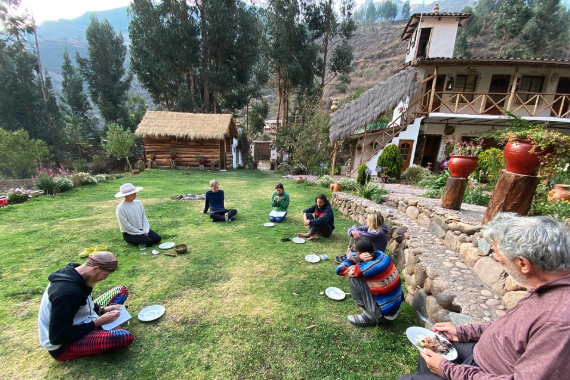
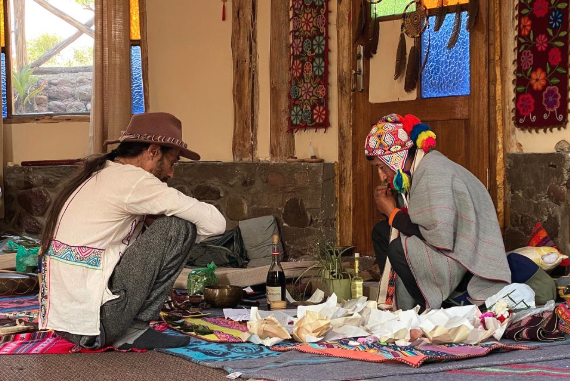
Atmosphere
Features
Paititi Institute Ayahuasca Retreats: An In-Depth Review for Sessions in Peru
Paititi Institute is a long-running ayahuasca and indigenous wisdom retreat operation founded around 2010 by Roman Hanis and Cynthia Robinson, with two operating sites in Peru: a remote 4,000-acre property in the Mapacho Valley that serves as the original Indigenous Medicine Healing Center, and a more accessible base in the Sacred Valley near Cusco that hosts the shorter-format Embody True Nature retreats. The Institute blends Amazonian and Andean indigenous practices with Tibetan wisdom traditions, Jungian transpersonal psychology, Daoist QiGong, breathwork, dreamwork, and permaculture, and has accumulated a substantial base of long-term followers and consistently strong reviews on retreat platforms going back many years. It also has one publicly disputed allegation of sexual misconduct dating to a 2017 incident, posted publicly in 2020, which the Institute’s board of directors has formally responded to in a written statement provided directly to Best Retreats. This listing presents both the long operational history and the disputed allegation honestly so prospective guests can decide for themselves.
🎯 At a Glance
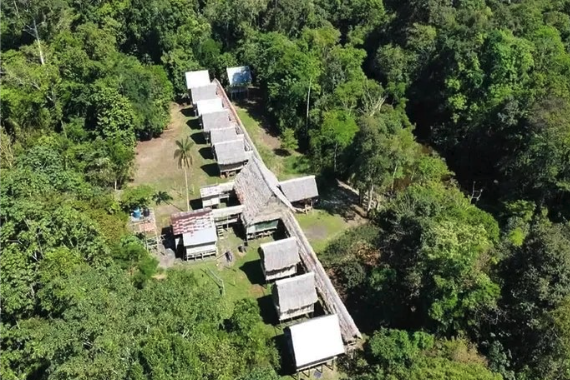
- Locations: Two sites in Peru. The original Indigenous Medicine Healing Center sits on a 4,000-acre land stewardship in the Mapacho Valley, an essential buffer zone for Manu National Park between cloud rainforest and Andean foothills, with no road access. Reaching it requires roughly a 4-hour drive from Cusco followed by a steep hike down into the valley, with food and supplies brought in by mules. The second site is in the Sacred Valley, based above the village of Lamay near Cusco, which is used for shorter-format retreats and accommodates participants who cannot make the hike to the Mapacho property.
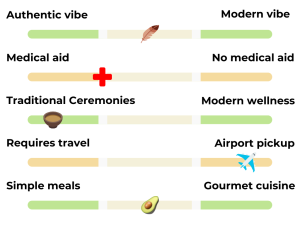
- Approach: A multi-tradition synthesis the Institute describes as “ancestral wisdom traditions of Peru and Tibet supported by Jungian Transpersonal Psychology.” Plant medicines used include ayahuasca, San Pedro (Huachuma), cacao, and coca. Supplemental practices include primordial breathwork, somatic and Daoist QiGong, dreamwork, integration circles, sacred geometry teachings, yoga, traditional Chinese medicine and body alignment, medicinal healing diets, nature immersion, and on the Mapacho land permaculture instruction (run by Andrew Jones). The number of ceremonies in any given retreat is not fixed and is calibrated to the group and individual needs.
- Suitable For: People prepared to commit serious time and effort to a structured, prerequisite-heavy program rather than a drop-in ceremony experience. People with existing meditation, breathwork, or Eastern wisdom-tradition backgrounds who want plant medicine integrated into a broader contemplative framework rather than presented as a standalone intervention. People comfortable with remote conditions and basic accommodations on the Mapacho land specifically. Less suited for: anyone seeking a quick first-time exposure to ayahuasca, anyone unwilling to complete the required 3-month Distance Healing Program when applicable, or anyone for whom the disputed 2017 allegation discussed below is itself disqualifying.
- Costs: The Indigenous Medicine Retreats at the Mapacho site are $170 per day with a minimum one-month stay, plus a 30 percent non-refundable deposit. The shorter Embody True Nature retreats in the Sacred Valley run in 10, 16, and 33-day formats; the 10-day retreat is currently priced around $1,300 for shared room with bathroom, $1,200 for shared room without bathroom, and $1,111 for camping. The 16-day and 33-day formats are correspondingly higher. Pricing includes all food, instruction, ceremonies, plant medicines, and accommodation at the retreat location.
- Overall Assessment: A long-running, multi-tradition operation with a substantial positive review history, an unusually structured and prerequisite-heavy intake process, and one publicly disputed sexual misconduct allegation that the Institute has formally responded to in writing. Directory evaluation: B- (notable for the operational longevity, the strong positive review base, and the formal organizational response on the record; flag for the unresolved disputed allegation and the inherent vulnerability concerns that apply to month-long remote retreats generally).
💬 What Guests Are Saying
The positive review base for Paititi is substantial and consistent across many years and platforms. On Retreat Guru the Institute has 41+ verified reviews with a 5.00 star average, an unusually high rating that holds across both the shorter Embody True Nature retreats and the longer Indigenous Medicine programs. Reviewers across multiple years describe Roman Hanis specifically by name, often using language about his depth of experience, his ability to weave Amazonian, Andean, and Tibetan traditions, his clarity as a teacher, and his role as a long-term mentor figure rather than a one-off ceremony facilitator. Many guests describe returning multiple times over years. The blend of practices comes up repeatedly: the QiGong work, the breathwork, the dreamwork, the permaculture instruction at the Mapacho site, and the integration of these alongside the plant medicine ceremonies rather than as an afterthought. The Mapacho land itself, with its remoteness, the hike in, the absence of road access, and the experience of living simply in a remote mountain river valley, is also frequently named as part of what makes the experience meaningful for guests who choose it.
In a 2021 podcast interview with Jason Grechanik (a Peru-based facilitator with his own decade in the field) on The Universe Within Podcast, Grechanik introduces Roman by saying it is rare in the Peruvian ayahuasca community to “only hear good things” about a place but that this has been his consistent experience with Paititi. A long blog post on Numundo from 2017 describes a 33-day shamanic permaculture course on the Mapacho land in detailed and unreservedly positive terms.
The harder side of the public conversation is the publicly disputed 2017/2020 allegation discussed in detail in the Incident Report below. We encourage prospective guests to read both the substantial positive review history and the disputed allegation in full and form their own view. We also encourage anyone with direct experience at Paititi to share their perspective through our submission form.
🚩 Incident Report
Following a thorough review of online sources including Reddit subreddits like r/Ayahuasca, r/Psychonaut, and r/RationalPsychonaut, Quora, the NewAgeFraud.org forum, Facebook groups including Psychedelic Healing and Ayahuasca Experiences, news outlets, retreat discussion boards, ICEERS safety reports, the ICEERS list of deaths misattributed to ayahuasca, court records, Chacruna Institute publications, and Retreat Guru, AyaAdvisors, and Tripadvisor review threads, no confirmed cases of guest death, theft, or violent crime tied to a Paititi Institute ceremony have been documented across the operation’s 15+ year history. One disputed allegation of sexual misconduct involving a 2017 incident has been posted publicly, and the Institute’s formal response to that allegation appears below in this section.
- Theft: No verified accounts of stolen belongings or in-camp theft surfaced in any of the sources reviewed.
- Crime: No arrests, police actions, or violent incidents linked to Paititi Institute appeared in Google News, Peruvian media, retreat forums, or ICEERS documentation.
- Sexual Misconduct (Disputed 2017/2020 Case): A former participant posted a public account on Reddit in August 2020 describing an incident she said occurred during a month-long retreat in the Sacred Valley in 2017. In her account, she alleges she was molested and sexually assaulted by a man she identifies online as the brother-in-law of someone connected to the retreat, in a vulnerable state following ceremony. She further alleges that when she brought the matter to leadership, she was told the man was not technically staff and that the Institute therefore did not bear responsibility, and that she was denied a partial refund when she sought to leave early. She describes significant psychological fallout in the years following. Paititi Institute disputes this characterization. In direct communication between Paititi’s board of directors and the Best Retreats team, Paititi’s leadership maintains that the situation involved a consensual personal relationship between two adults, that the person in question was not staff and not acting in any professional role, and that the public account is inaccurate. Best Retreats is not in a position to adjudicate what happened in 2017. We treat this as a publicly disputed allegation rather than a substantiated finding, and we present both the survivor’s public account and the Institute’s formal written response so prospective guests have the full picture and can form their own view. The Institute’s verbatim statement is reproduced in the section that follows.
- Pattern: No additional allegations of sexual misconduct, ceremonial misconduct, or other serious incidents involving Paititi were identified in any of the sources reviewed. The 2017/2020 case is the only allegation of its kind on the public record across 15+ years of operation.
Update as of April 2026: No new safety incidents identified. Positive reviews continue to accumulate on Retreat Guru and other platforms. The disputed 2017/2020 case continues to be referenced in some community discussions, and the Institute’s formal response remains on the record below.
Statement from Paititi Institute
The following statement was provided directly by Paititi Institute’s board of directors to Best Retreats and reflects the organization’s official position regarding the 2017 allegation. We reproduce it verbatim:
“Paititi Institute is aware of a publicly posted allegation concerning an event from 2017. The situation involved a consensual personal relationship between two adults, neither of whom were facilitators, staff members, or acting in any professional capacity at Paititi Institute. Both individuals communicated to our facilitation team at the time that their relationship was consensual. No assault, misconduct, or criminal wrongdoing took place. The allegation circulating online is unverified and reflects one individual’s later interpretation, which we respectfully dispute. In over fifteen years of operation, Paititi Institute has had no substantiated complaints of misconduct and remains committed to safety, integrity, and the preservation of Indigenous healing traditions.”
🔍 Critical Notes
Paititi presents an unusual structural profile compared to most centers in this directory. The intake process for the Indigenous Medicine Retreats is one of the most prerequisite-heavy in the broader ayahuasca space: prospective participants with serious health conditions are required to complete a 3-month Distance Healing Program before being considered for in-person retreat, and the Distance Healing Program itself consists of a personalized nutritional protocol, Jungian and shamanic transpersonal dream work, and one-on-one transformational coaching. The Institute’s published policy states that all pharmaceuticals, supplements, and health conditions must be reported, and that the Institute reserves the right to determine through the distance program that an in-person retreat is not the appropriate next step for a given applicant. Whatever else can be said about Paititi, the screening rigor is meaningfully above the market average, and the willingness to turn applicants away is real rather than rhetorical.
The plant medicine handling is similarly unusual. Paititi states publicly that many of the sacred plants are grown in their own gardens and that when not personally grown, the raw plant material is sourced from trusted relationships using organic and sustainable practices, with all medicines prepared by the Institute personally rather than purchased from third parties. This is a meaningful claim in a market where brew provenance is often opaque.
The Mapacho land itself is structurally significant. The 4,000-acre property is described as essential buffer zone for Manu National Park, has no road access, and requires a 4-hour drive followed by a downhill hike to reach. The remoteness shapes the experience in obvious ways: small group sizes by necessity, no easy way out for a participant who decides mid-retreat that they want to leave, food and supplies that arrive by mule, and a setting that is genuinely off-grid rather than performatively so. For some participants this is exactly the right context for serious extended work. For others, particularly first-time guests with significant trauma, the same remoteness can become a structural vulnerability factor that compounds anything that goes wrong. Both readings are honest.
The disputed 2017/2020 allegation has to be weighted carefully. On one hand, it is one publicly posted account, never legally adjudicated, reflecting one individual’s interpretation of events that the Institute’s leadership disputes in writing on the record. The Institute’s published response is detailed, specific, and signed by the board of directors rather than vague PR language. On the other hand, the Chacruna Institute’s published research on sexual abuse in ayahuasca settings, along with several years of academic and journalistic reporting in publications like the Journal of Psychedelic Studies, Men’s Journal, and LA Yoga Magazine, has documented that “consensual” framings of sexual contact in ayahuasca retreat contexts are themselves contested terrain because of the inherent power imbalances between healers, facilitators, retreat-adjacent figures, and participants in altered states. None of that academic work names Paititi Institute specifically, and the Institute is not on any of the lists of centers documented in those investigations. But the structural concern is part of the broader landscape any prospective guest at any center should understand. We present the allegation, the Institute’s written response, and the broader context so readers can make an informed decision rather than rely on either side’s framing alone.
🆘 Screening & Mental Health Risks
Paititi’s published intake process is among the most rigorous in this directory. For the Indigenous Medicine Retreats, anyone with a serious health condition must complete a 3-month Distance Healing Program before being accepted, consisting of a nutritional protocol, Jungian and shamanic transpersonal dream work, and one-on-one personal counseling. The Institute publicly reserves the right to determine through that distance program that a participant is not a fit for in-person retreat. All pharmaceuticals, supplements, and health conditions must be disclosed. Vaccinations must be completed at least four weeks before the start of any retreat. The shorter Embody True Nature retreats have a less elaborate but still substantial application and screening process.
Ayahuasca and San Pedro both carry real psychological risk. The Global Ayahuasca Survey, an academic study of more than 10,000 ayahuasca users, found that around 56 percent of participants reported some form of acute or short-term mental health adverse effect (anxiety, intrusive thoughts, sleep disruption, dissociation) in the weeks following ceremony, with about 12 percent seeking professional support and a smaller subset reporting persistent effects that interfered with daily life. People with personal or family history of psychotic-spectrum conditions, bipolar disorder, severe trauma, dissociative disorders, or who are taking SSRIs, SNRIs, MAOIs, lithium, tramadol, stimulants, or any of several other contraindicated medications should be especially cautious. The remoteness of the Mapacho property in particular means that medical and psychological emergencies cannot be addressed quickly: there is no road, no quick exit, and limited medical infrastructure on site beyond what visiting health professionals bring with them. Anyone considering this retreat or any other should consult a healthcare provider familiar with both their personal medical history and the pharmacology of ayahuasca before booking, not after arriving.
🧪 Brew Substance
Paititi works with ayahuasca brewed from Banisteriopsis caapi vine and Psychotria viridis (chacruna), San Pedro (Huachuma) from the Trichocereus pachanoi cactus, cacao, and coca. The Institute states publicly that many of the plants are grown in their own gardens, that any plant material not personally grown is sourced from trusted relationships using organic and sustainable practices, and that all medicines are prepared by the Institute personally rather than purchased pre-made from third parties. Brew handling on the record is unusually transparent compared to the market average.
📍 Location, Setting & Style
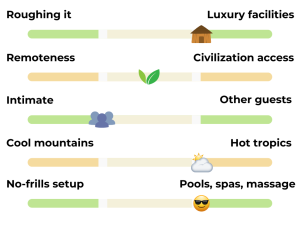
- Peru: Two sites. The Mapacho Valley property sits in a remote area between cloud rainforest and Andean foothills, on a 4,000-acre land stewardship described as essential buffer zone for Manu National Park. The Sacred Valley site is based above the village of Lamay near Cusco, in the Lamay District.
- Setting: The Mapacho property has no road access. Reaching it requires approximately a 4-hour drive on serpentine mountain roads with peaks approaching 5,000 meters, followed by a steep downhill hike into the valley along the Mapacho River. Food and supplies arrive by mule. Accommodations are simple personal healing huts or tents. The Sacred Valley site at Adela Yanapay above Lamay is more accessible and offers shared rooms with or without private bathroom plus camping options, used for the shorter-format Embody True Nature retreats. The Sacred Valley site is the format for participants who cannot make the hike to the Mapacho land.
- Style: Programs run from 10 days (the shortest Embody True Nature format in the Sacred Valley) up to one month or longer (the Indigenous Medicine Retreats on the Mapacho land, which require a one-month minimum stay and may extend to several months depending on the participant’s process). Plant medicine ceremonies are integrated alongside daily QiGong, breathwork, dreamwork, integration circles, hiking, permaculture instruction at the Mapacho site, and individual nutritional and healing protocols. Group sizes are not large by the structural realities of both sites.
Practical guidance: Fly into Lima, then connect to Cusco via LATAM, Sky, or another domestic carrier (about 90 minutes). Acclimatize in Cusco for at least one or two days before the retreat begins because the elevation is significant (Cusco sits around 3,400 meters). For the Mapacho site, expect a long mountain drive followed by a downhill hike on the first day; pack accordingly and travel light. Bring crisp, undamaged USD bills if paying any balance in cash on arrival. Paititi specifically notes that old or torn bills cannot be used in Peru. Read both the positive review history and the disputed 2017/2020 allegation in full before booking. Ask the Institute directly about current screening protocols, current safeguarding policies, and any other questions that matter to you before submitting an application.
Should You Book?
Paititi is a defensible choice for someone specifically looking for a structured, multi-tradition retreat that blends plant medicine with sustained contemplative practice rather than presenting ceremony as a standalone intervention. The screening rigor, brew transparency, long operational history, and strong consistent positive review base are all real and meaningful. The required Distance Healing Program for serious health conditions is more thorough than what most centers in this directory offer. The Mapacho land is genuinely unusual, both as a setting and as a stewardship project, and the integration of permaculture, dreamwork, QiGong, and Tibetan-influenced practice into the framework is distinctive.
It is a less defensible choice for anyone for whom the publicly disputed 2017/2020 allegation is itself disqualifying, regardless of the Institute’s formal response. It is also a less defensible choice for first-time ayahuasca participants without significant prior contemplative practice or with significant unprocessed trauma, where the remoteness of the Mapacho site in particular and the month-minimum commitment for the Indigenous Medicine Retreats represent real structural risks. If you are considering booking, read both the positive reviews and the survivor account in full, read the Institute’s formal response in full, contact Paititi directly with specific questions about current safeguarding protocols and complaint handling, and reflect honestly on whether you personally are comfortable with the level of ambiguity that exists when an allegation has been posted publicly, disputed in writing by the organization, and not legally adjudicated either way. The decision is yours. Our role is to give you the full picture so you can make it with eyes open.
The Team & Story
Paititi Institute was co-founded by Roman Hanis and Cynthia Robinson, and has operated since around 2010. Roman Hanis has been working with indigenous Peruvian cultures in the Amazonian rainforest and Andean mountains since 2001. According to his published bio he was cured of Crohn’s disease in 2002 through indigenous medicine work and was pledged as a healer-curandero by the Whitoto and Yahua tribes in 2004. He is a certified Traditional Chinese Medicine practitioner in Peru, having studied as an apprentice under Myriam Hacker, the director of the Open International Institute of Oriental Medicine in Iquitos. He also holds a degree in medical massage therapy and Eastern bodywork from the Swedish Institute of Health in New York. He was featured in the 2010 documentary The Sacred Science. He is the author of the book Beyond Ayahuasca: Evolutionary Science of Indigenous Amazonian Wisdom. He has facilitated breathwork since 2003 and speaks Spanish, Hebrew, Russian, and English.
Cynthia Robinson, co-founder, holds a BA from the University of Michigan School of Art and Design with a focus in Design, Communication and Creative Problem Solving, and has been involved in the stewardship and direction of Paititi from its founding.
The broader team includes Andrew Jones (permaculture instruction at the Mapacho site), Robin (a Somatic QiGong practitioner serving as a Physical and Spiritual Resilience coach), and Rodrigo, among others. Visiting medical professionals attend longer retreats when participant health conditions warrant it.
Prep & Integration Tips
Begin the dietary protocol at least two weeks before arrival (longer for the Indigenous Medicine Retreats): no aged cheeses, fermented foods, alcohol, recreational drugs, red meat, pork, processed foods, citrus, excess salt or sugar, caffeine, or sex. No SSRIs, MAOIs, or any medication on the ayahuasca contraindication list (verify with your prescriber, not just with the retreat). For the Indigenous Medicine Retreats specifically, be prepared for the full 3-month Distance Healing Program if you have any serious health conditions, and approach it as a real prerequisite rather than a formality. Pack light for the Mapacho hike: layered clothing, sturdy hiking boots already broken in, rain gear, headlamp, refillable water bottle, notebook, and any prescription medications you have been cleared to keep taking. Bring crisp, undamaged USD bills if paying any cash balance on arrival. Acclimatize in Cusco for at least one or two days before the retreat begins to manage the altitude (3,400 meters and higher).
Integration after a Paititi retreat is built into the program structure to a meaningful degree: integration circles, dreamwork, and continued contact through the Distance Healing framework when applicable. Outside the program, sleep, journal, talk to a trusted person or therapist familiar with psychedelic integration, and avoid making major life decisions for at least a few weeks. The come-down from a multi-week retreat in a remote setting can be a vulnerable period, particularly if you arrived carrying significant trauma.
Pros & Cons
| Pros | Cons |
|---|---|
| 15+ years of operation, founded around 2010, with a substantial and consistent positive review base | One publicly disputed sexual misconduct allegation from a 2017 incident posted in 2020, formally disputed by the Institute in writing, never legally adjudicated |
| Roman Hanis has 20+ years of documented work in Peru with verifiable training in TCM, indigenous lineages, and bodywork | Mapacho property remoteness (no road access, 4-hour drive plus downhill hike, mule-carried supplies) means no quick exit and limited medical infrastructure on-site |
| Unusually rigorous screening, including a required 3-month Distance Healing Program for participants with serious health conditions | Indigenous Medicine Retreats require a one-month minimum stay, a significant time and financial commitment |
| Brew handling transparency: plants grown on-site or sourced from trusted relationships, all medicines prepared personally by the Institute | Multi-tradition synthesis (Amazonian, Andean, Tibetan, Jungian, Daoist) may not fit guests seeking a purely traditional Amazonian or Shipibo experience |
| 4,000-acre stewardship property as essential buffer zone for Manu National Park, with permaculture and conservation elements integrated into the program | Pricing for the long-format Indigenous Medicine Retreats accumulates significantly over a multi-month stay |
| Distinctive blend of plant medicine with sustained contemplative practice (QiGong, breathwork, dreamwork) rather than ceremony as a standalone intervention | Deposits non-refundable except for COVID-related cancellations |
Book Your Ceremony
Bookings for both the Embody True Nature retreats (Sacred Valley, 10/16/33-day formats) and the Indigenous Medicine Retreats (Mapacho Valley, one-month minimum) are handled through paititi-institute.org with an application process rather than a direct booking flow. A 30 percent non-refundable deposit is required at registration. Remaining balances can be paid by credit card (with a 3.9 percent merchant fee) or in cash USD on the first day, with the Institute specifically noting that bills must be crisp and undamaged. Cancellations more than two months out can be transferred to a future program minus a 10 percent administrative fee; cancellations within two months are non-refundable except in COVID-related circumstances. Read both the substantial positive review history and the disputed 2017/2020 allegation in full before submitting an application, and contact the Institute directly with any questions about current safeguarding protocols that matter to your decision.