
Céu do Mapiá


Researched by The Retreat Safety Project, a 501(c)(3) nonprofit, combining field research with compliance-grade due diligence. Meet the team →
Atmosphere
Features
Atmosphere and feature ratings above are based on Best Retreats research (November 2026). They will be updated if Céu do Mapiá submits its own information.
Céu do Mapiá: An In-Depth Review of the Santo Daime Mother Church in the Brazilian Amazon
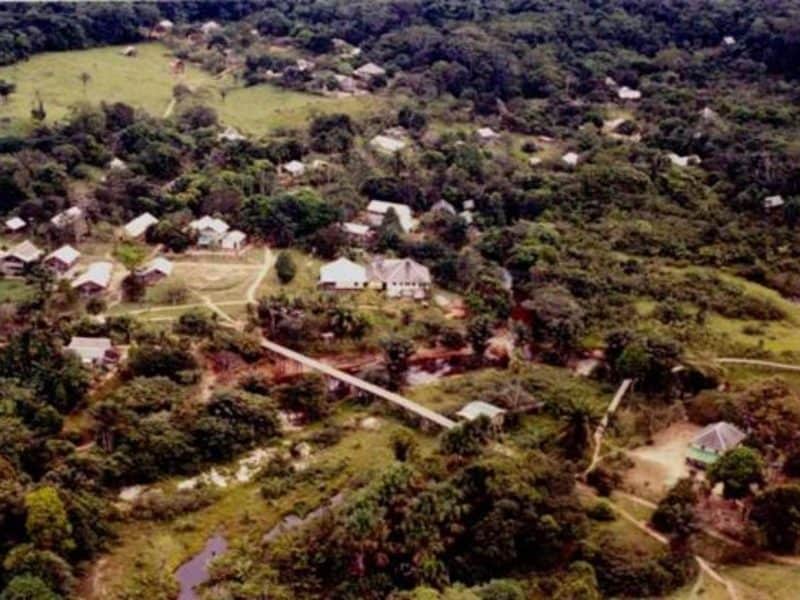
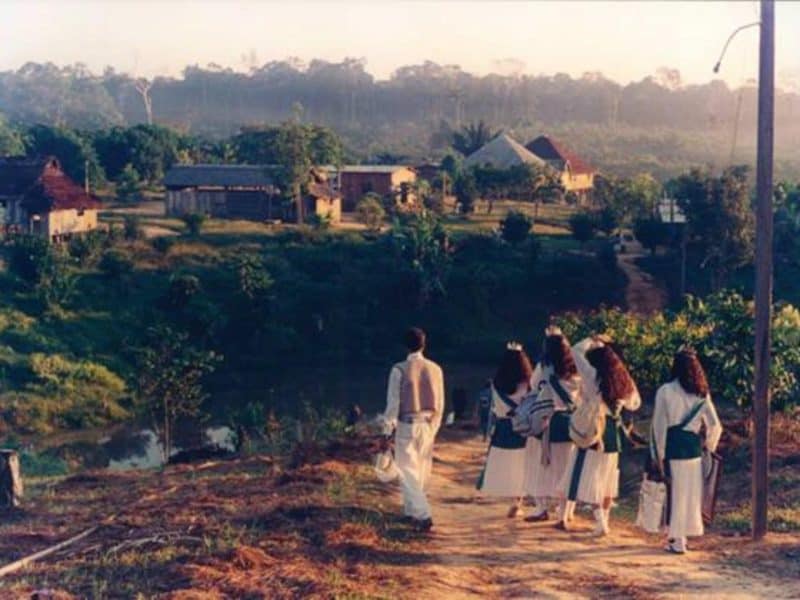
Céu do Mapiá, the mother church of the ICEFLU branch of Santo Daime, is the village church that Padrinho Sebastião Mota de Melo founded in January 1983 on the Igarapé Mapiá in Pauini municipality, Amazonas, Brazil, now led by his son Padrinho Alfredo Gregório de Melo, where members drink the sacrament Santo Daime, a form of ayahuasca, in sung ceremonies called works, per its church history. It is the headquarters of a long-established religion with named leaders, a published calendar of works, a village health post and a statute that forbids selling the sacrament, and religious use is legal in Brazil. Against that, no medical questionnaire or minimum age is published, the village is at least six hours by river from the nearest hospital town, no independent reviews exist, and a 2024 essay describes a past affair by the founder, who died in 1990 (unverified), though no allegations were found against the church today.
🎯 At a Glance
- Locations: Vila Céu do Mapiá, about 30 km up the Igarapé Mapiá from the Purus River, Pauini municipality, Amazonas, Brazil, inside the Purus National Forest.
- Approach: Santo Daime works, including hinário works (a full hymnal sung and danced in uniform), seated concentration works, healing works, Masses and feitios (ritual brewing of the sacrament), busiest in June and from December to January.
- Suitable For: ICEFLU members and committed religious seekers ready for a long river journey and a large congregation. Not suitable for people taking antidepressants or with heart or psychiatric conditions.
- Costs: No fee for works is published, and ICEFLU’s statute says the sacrament cannot be sold. A 2015 church notice listed a visitation fee of R$150 a week and lodging from R$20 to R$150 a night; current rates are not published.
- Overall Assessment: A transparent, long-established religious community with named leaders and basic health care on site, offset by unpublished screening rules, a very remote location and no independent reviews. Directory evaluation: C+.
💬 What Guests Are Saying
No ratings or reviews of the church were found on review platforms. Its own newsletter reports about 100 visitors at the June 2024 festival, 54 from abroad, with no serious incidents (unverified). A 2007 Superinteressante magazine report, reproduced on Bia Labate’s site, described long journeys and simple inns, but also trash, a stolen backpack and boat accidents. No reviews of 3 stars or lower were found. If you have attended, we encourage you to share your experience through our submission form.
🚩 Incident Report
We searched review platforms and English and Portuguese-language news for reports involving Céu do Mapiá, Padrinho Sebastião Mota de Melo, Padrinho Alfredo Gregório de Melo, Madrinha Rita Gregório de Melo and Padrinho Valdete Mota de Melo.
- Deaths and serious injuries: None linked to works found. The 2007 report mentioned boat accidents on the stream, one fatal, without details.
- Sexual misconduct: None found against this church or its current leaders. A 2024 essay says the lineage acknowledges the founder, who died in 1990, had an affair with a young woman his family had taken in (unverified).
- Theft and fraud: None found beyond the stolen backpack in 2007.
- Legal action: None against this church found. A 1985 federal ban on the sacrament was suspended in 1987; the founder’s ritual cannabis use drew raids, and the movement later disowned it.
For a church this large and old, that offers some assurance.
If you have experienced or witnessed an incident with this center, please report it confidentially.
🔍 Critical Notes
Who runs it. Padrinho Alfredo Gregório de Melo, born in 1950, has led the movement since his father’s death in 1990 and presides over ICEFLU’s doctrinal council, per his church biography; his brother Padrinho Valdete Mota de Melo commands the works. Madrinha Rita Gregório de Melo, the founder’s widow, died on April 29, 2026, at about 100, per the church’s notice. The village residents’ association controls visitor entry. No company number is shown.
Screening and medical support. ICEFLU says it advises against giving the sacrament to people with mental disorders and trains staff to interview newcomers and take medical histories, per its mental health page (unverified). No questionnaire, medication list or minimum age is published, and the 2024 essay says children receive a small “spirit dose”. The village has a health post with an infirmary and pharmacy; serious cases go to hospitals in Boca do Acre or Rio Branco, many hours away. No emergency plan for works is published.
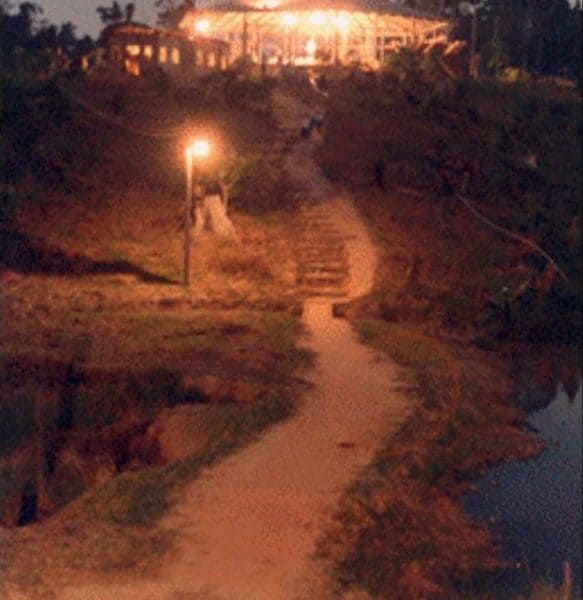
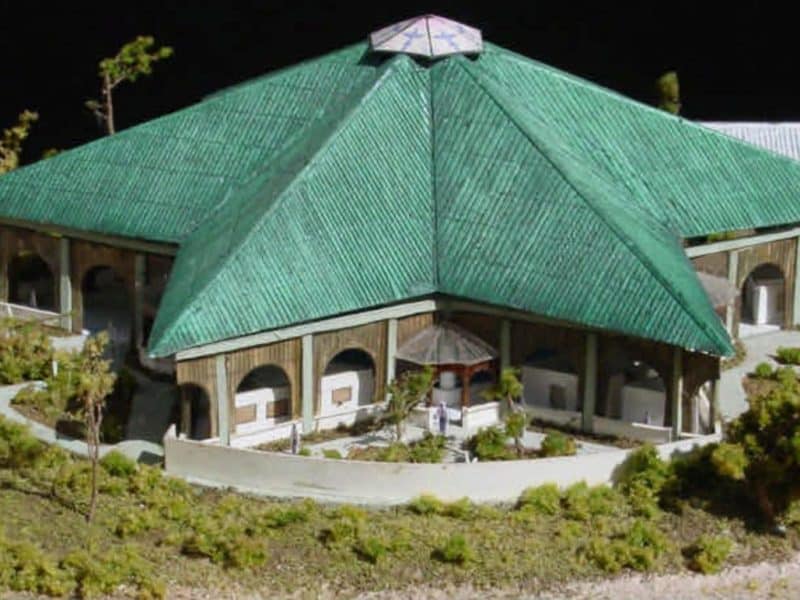
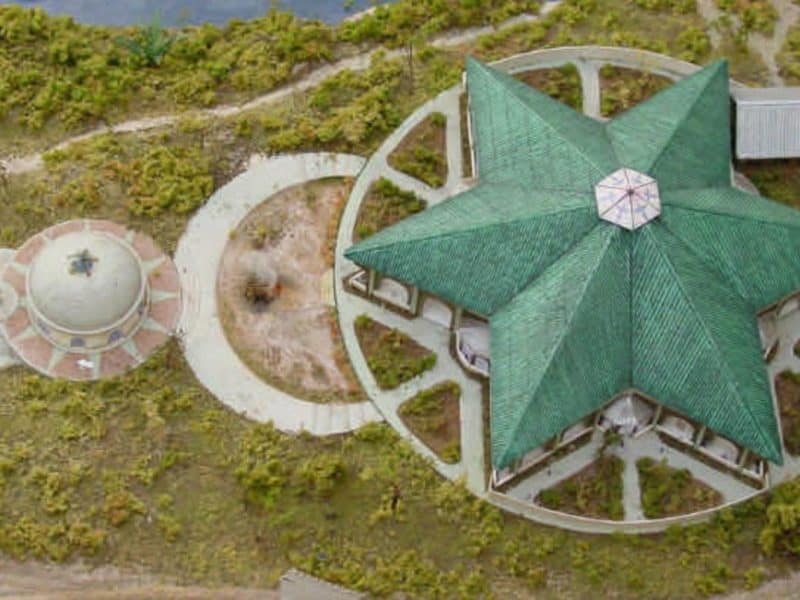
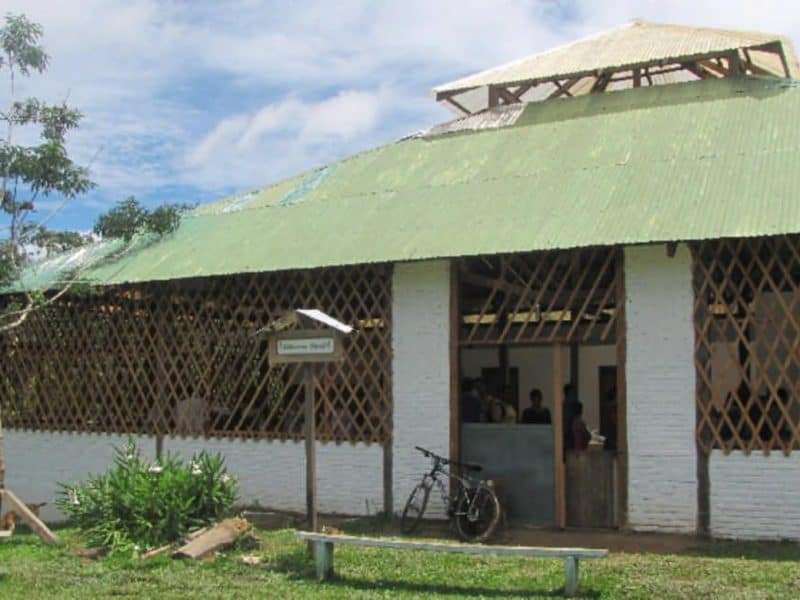
Status. Operating. Visits were suspended in 2020 and had resumed by June 2024. A new temple for up to 980 people had a pre-inauguration in June 2023 attended by Acre’s governor, per O Alto Acre, and its floor was finished in June 2025, per the church’s cathedral guide.
Legal context. Brazil allows religious use of ayahuasca under CONAD Resolution No. 1 of January 2010, per Wikipedia. The village lies inside a federal sustainable-use forest reserve.
🆘 Screening & Mental Health Risks
Ask in writing what interview is required before a first work and how emergencies reach Boca do Acre. ICEERS notes that ayahuasca’s MAOI component makes it dangerous with SSRIs and other serotonergic drugs and that it is contraindicated for people prone to psychosis. Never stop a psychiatric medication to qualify for a ceremony without your prescriber’s guidance.
🧪 Brew Substance
Santo Daime brewed by the community in ritual feitios, held in the village since 1985. Ayahuasca combines the Banisteriopsis caapi vine with a DMT-containing leaf, as Erowid explains.
📍 Location, Setting & Style
- Setting: Lowland rainforest at Céu do Mapiá, hot and humid, with malaria present.
- Rooms: Village guesthouses, family rooms and hammock or camping space; a communal kitchen serves festival meals.
- Style: A religious village of about 600 residents with a fixed calendar of works.
Practical guidance: Fly to Rio Branco, go by road to Boca do Acre, then by boat at least six hours; from July to October only small boats can pass. Bring a mosquito net and warm layers.
Should You Book?
Possibly, if you belong to an ICEFLU church and travel with its support. Ask in writing about the newcomer interview, current fees, first aid on site and evacuation. Read our guide to verifying retreat facilitators.
The Team & Story
Céu do Mapiá presents itself as the spiritual home of a forest religion. We did not independently verify anyone’s training.
Prep & Integration Tips
Before you go: Disclose every medication and condition in writing and plan any change with your own doctor. After you return: Arrange support from a qualified therapist at home. Our guide on how to research ayahuasca incidents can help you check any center.
Pros & Cons
| Pros | Cons |
|---|---|
| Named, decades-old religious leadership | No published questionnaire or minimum age |
| Sacrament not sold; no fee for works | Hours by river from the nearest hospital |
| Village health post with infirmary | No independent reviews |
| Religious use legal in Brazil | Unverified report of past misconduct by the founder |
Book Your Ceremony
Information is on its website. Best Retreats does not take bookings; learn more about our mission.
Last reviewed November 2026.
This article is for informational purposes only and is not medical advice. Consult a qualified medical professional.